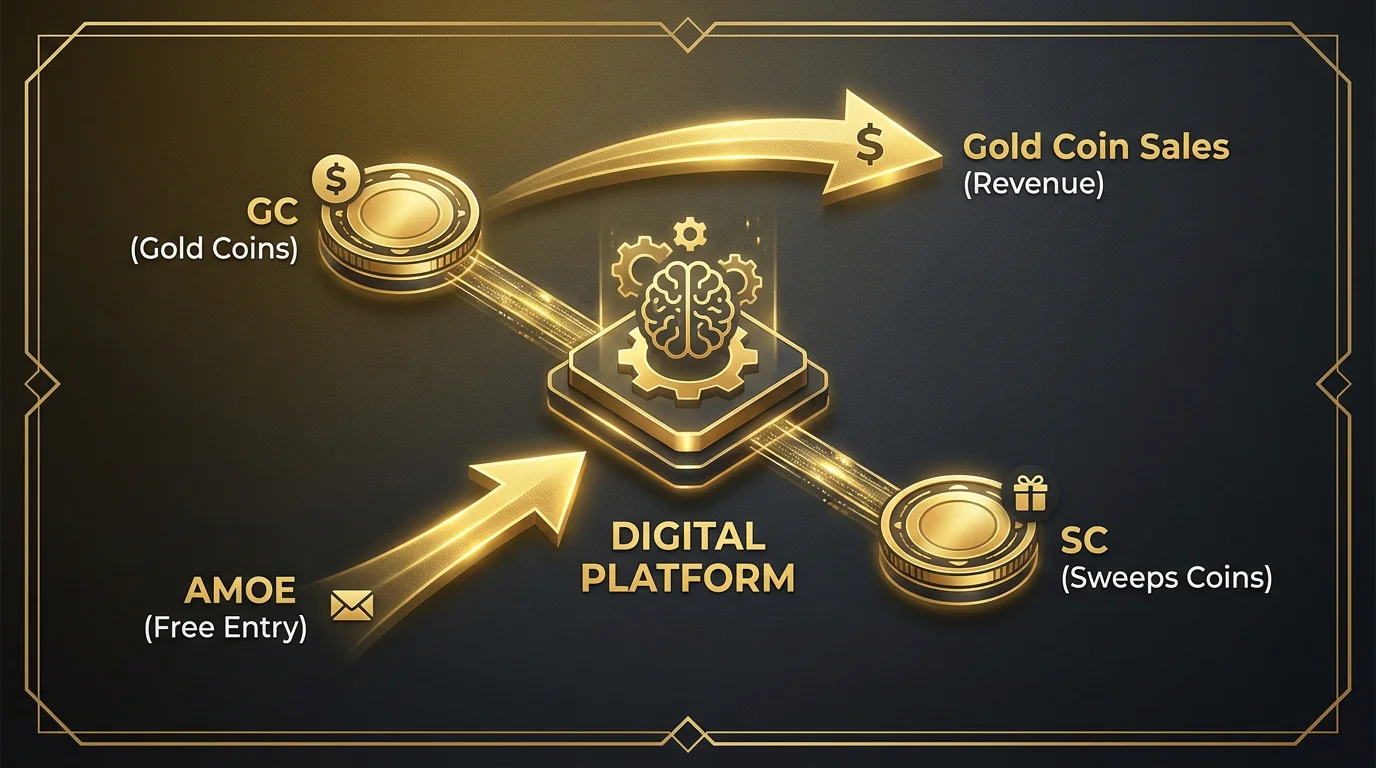
AMOE Wagering Requirements US: Sweeps Coin Rules
 Available in US
The most common misconception I encounter about AMOE participation is this: players assume that earning Sweeps Coins for free means the coins can be redeemed freely. That’s not always true. Wagering and redemption conditions at sweepstakes casinos can be surprisingly complex, and the fact that your SC came from an AMOE request rather than a Gold Coin purchase doesn’t automatically exempt them from those conditions. Let me walk through how redemption actually works — and where the important distinctions lie.
Only about 12% of sweepstakes casino users ever make a purchase, which means the overwhelming majority of participants are interacting with the platform primarily or exclusively through free methods like AMOE. The redemption terms that apply to those free-play coins are therefore central to how most players experience the platform.
Sweeps Coins Playthrough Conditions Across Operators
Sweeps Coins are the only currency at sweepstakes casinos that can be converted into real-world prizes — typically cash, gift cards, or cryptocurrency. Gold Coins have no redemption value; they’re entertainment credits used for gameplay only. When you accumulate SC through AMOE requests and want to convert them into something real, you’re initiating a redemption process that’s governed by the operator’s specific terms.
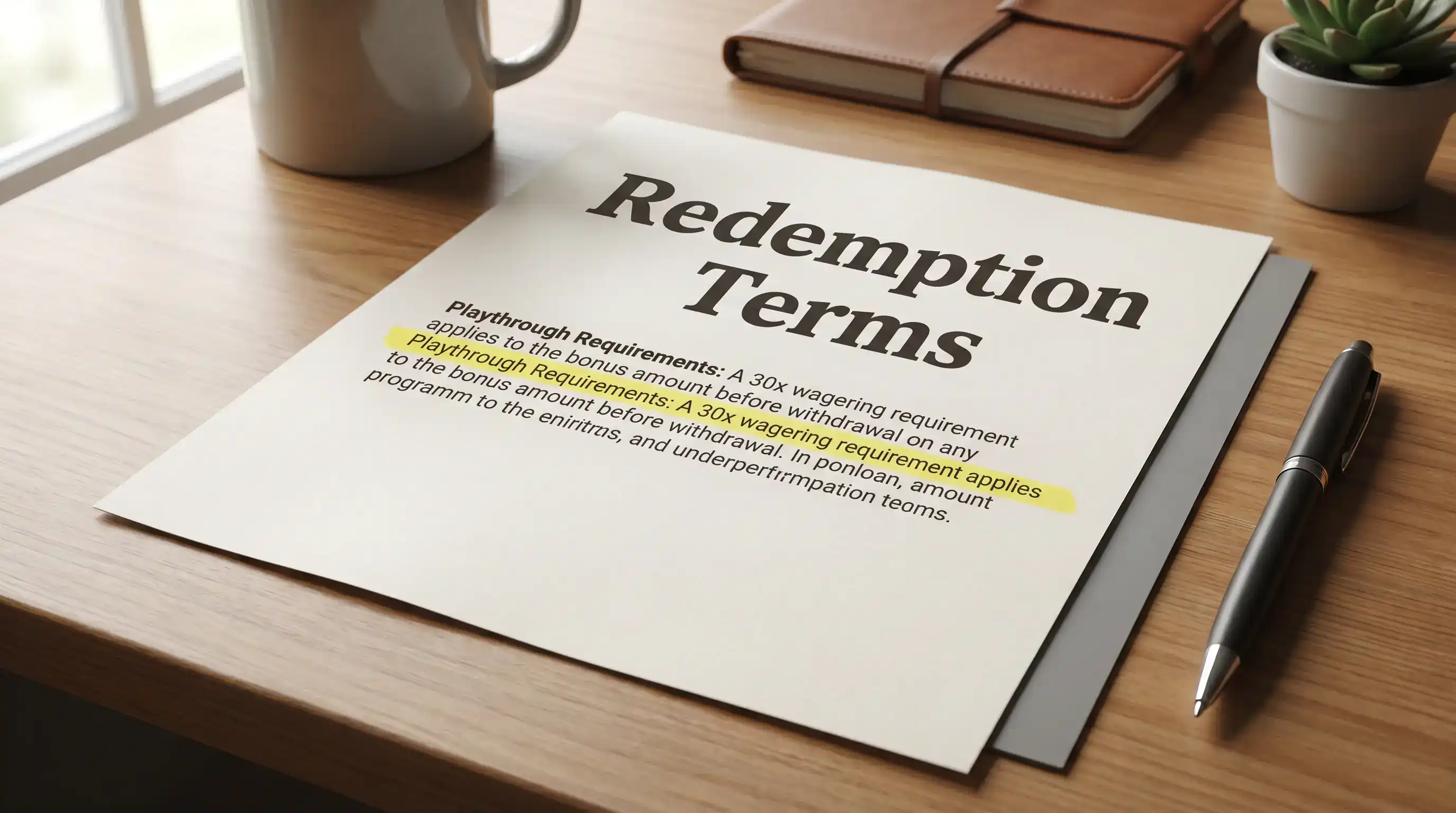
The average AMOE request yields between one and five SC, and the key question is whether those coins can be immediately redeemed or must first meet a playthrough requirement. A playthrough requirement means you must use your SC to play games a specified number of times before the balance becomes eligible for cash-out. Operators express this in different ways — sometimes as a multiplier on the SC amount, sometimes as a minimum number of game rounds played.
In my experience reviewing operator terms, AMOE-earned SC at most mainstream platforms do carry some form of playthrough requirement before redemption. The specific terms vary significantly: one operator might require that your SC balance be wagered once (a 1x requirement) before eligibility, while another might impose a higher multiplier. This isn’t unique to AMOE-sourced coins — it typically applies to all SC regardless of how they were obtained.
The rationale from the operator side is straightforward: if AMOE-earned SC could be immediately redeemed without any gameplay, the platform would be functioning as a money transfer mechanism rather than a gaming platform. Playthrough requirements ensure that SC represent gameplay participation, not just a distribution channel for small cash prizes.
AMOE SC vs. Purchased SC: Are Conditions Different?
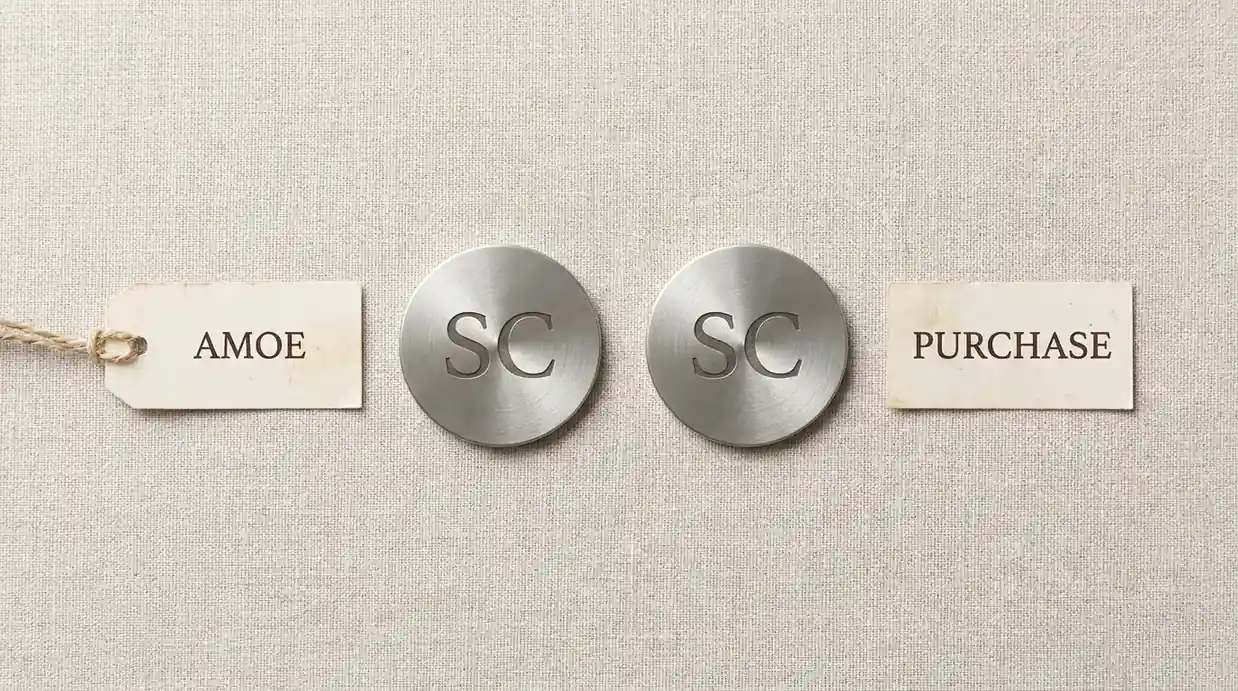
This is where players expect a meaningful difference and often find there isn’t one. At most operators, SC earned through AMOE carry the same redemption terms as SC obtained through any other method — including SC bonuses attached to Gold Coin packages.
The logic is consistent: SC is SC from the system’s perspective. The mechanism by which you obtained the coins — purchasing a Gold Coin bundle that included bonus SC, submitting a daily AMOE request, receiving a referral bonus — doesn’t change what those coins are in the platform’s ledger. The redemption conditions are attached to the SC balance, not to the source of that balance.
There are documented exceptions at specific operators. Some platforms explicitly distinguish between “promotional SC” (which includes AMOE-earned coins and bonus SC from purchase bundles) and SC awarded as actual gameplay winnings. The latter category — coins you earn by winning while playing — may have different, sometimes more favorable, redemption conditions. This distinction matters because a player who wins SC through gameplay may face a lower playthrough requirement than a player whose entire SC balance comes from promotional sources like AMOE.
If you’re at a platform where this distinction exists, it’s almost certainly spelled out in the Sweepstakes Rules or the Terms of Service under a section about “Prize Redemption” or “Withdrawal Requirements.” If you can’t find clear language differentiating promotional SC from gameplay SC, assume they’re treated identically.
Playthrough Requirements: When They Apply and When They Don’t

Not every operator applies playthrough requirements to AMOE-earned SC, and the ones that do apply them in different ways. The clearest signal is the presence of specific language in the Sweepstakes Rules about “minimum play requirements,” “wagering requirements,” or “playthrough conditions.” If this language is absent from the rules document, playthrough requirements either don’t apply or the operator hasn’t clearly disclosed them — which is itself a transparency concern.
A platform that processes more than 186 operators’ worth of industry volume in the sweepstakes gaming space has a lot of variation in how these terms are written. Some use straightforward language: “SC must be played through once before redemption.” Others bury it in sections about “responsible play” or “promotional terms” where it’s easy to miss. I recommend reading the complete Redemption or Prize section of the rules document when you first sign up with any operator — that’s when you have the most flexibility to decide whether the terms work for you, before you’ve accumulated a balance.
One practical note: if you’re accumulating AMOE-earned SC over weeks and months with the intention of eventually redeeming, track whether your SC balance is also increasing from gameplay. SC won during actual game sessions may accrue to your total redemption-eligible balance in ways that accelerate your progress toward meeting any playthrough threshold.
Minimum Redemption Thresholds and Cash Prize Limits

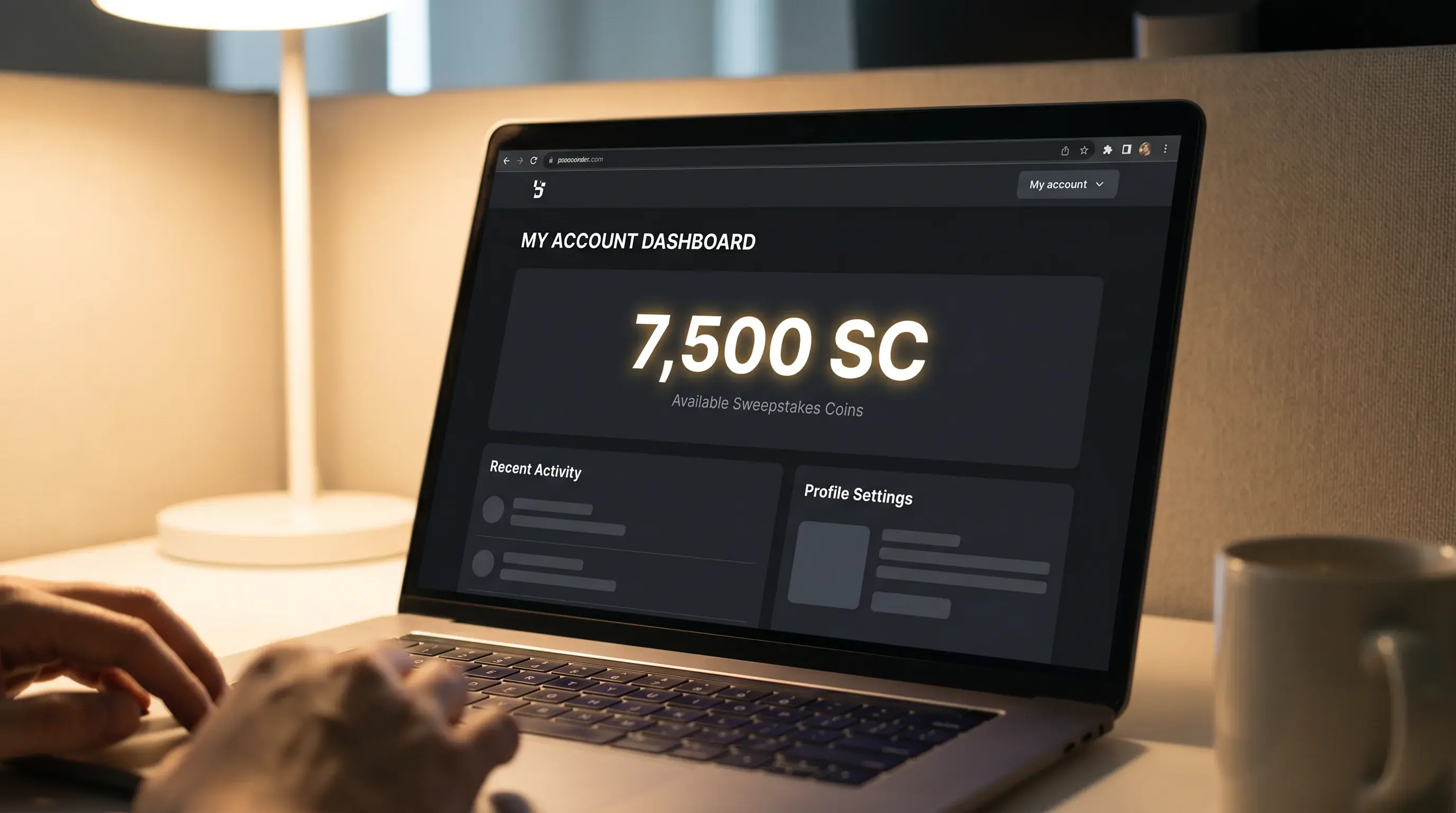
Separate from playthrough requirements, virtually every sweepstakes casino imposes a minimum SC balance required before you can initiate a redemption. This threshold exists because processing cash prize payouts has a per-transaction cost, and processing ten individual payouts of $1.00 each is operationally less efficient than processing one payout of $10.00.
Minimum redemption thresholds across the industry typically range from $5 to $100 in SC-equivalent value, with many operators setting the threshold at $25 to $50. For a player earning one to five SC per AMOE request and treating each SC as worth approximately $1.00, reaching a $50 redemption threshold through AMOE alone requires 50 submissions at five SC each, or 250 submissions at one SC each. At the daily maximum rate of one submission per operator per day, that represents two to eight months of consistent participation at a single platform.
For a fuller comparison of how Sweeps Coins work, what they’re actually worth across operators, and how AMOE-earned coins compare to purchased bundles on a per-coin basis, the operator comparison on SC amounts and processing covers the financial side in more detail.
AMOE Redemption and Wagering FAQs
Is there a minimum number of Sweeps Coins I need to accumulate before I can redeem for cash prizes?
Yes. Every sweepstakes casino that offers cash prize redemption sets a minimum SC threshold you must reach before initiating a payout. The specific amount varies by operator but commonly falls between $25 and $100 in SC-equivalent value. This threshold is separate from any playthrough requirements — you need to meet both the playthrough condition and the minimum balance requirement before a redemption is possible. Check the ‘Prize Redemption’ or ‘Withdrawal’ section of your operator’s Sweepstakes Rules for the exact current threshold.
Do AMOE Sweeps Coins from one operator transfer if that operator gets acquired or rebranded?
There is no universal rule governing this, and the outcome depends entirely on the terms of the acquisition and what the acquiring or rebranding entity chooses to honor. In practice, operators that rebrand or get acquired sometimes grandfather existing SC balances and sometimes require players to re-register on the new platform with a fresh start. Any SC balance held during a platform transition is at risk of being forfeited if you don’t take action — either spending the coins before the transition or confirming with the operator that your balance will be preserved. Never assume a balance transfers automatically.
Written by the editors at Alternate Method of Entry Sweepstakes.