Sweepstakes Casino Legal Model US: NPN Rule and AMOE
 Available in US
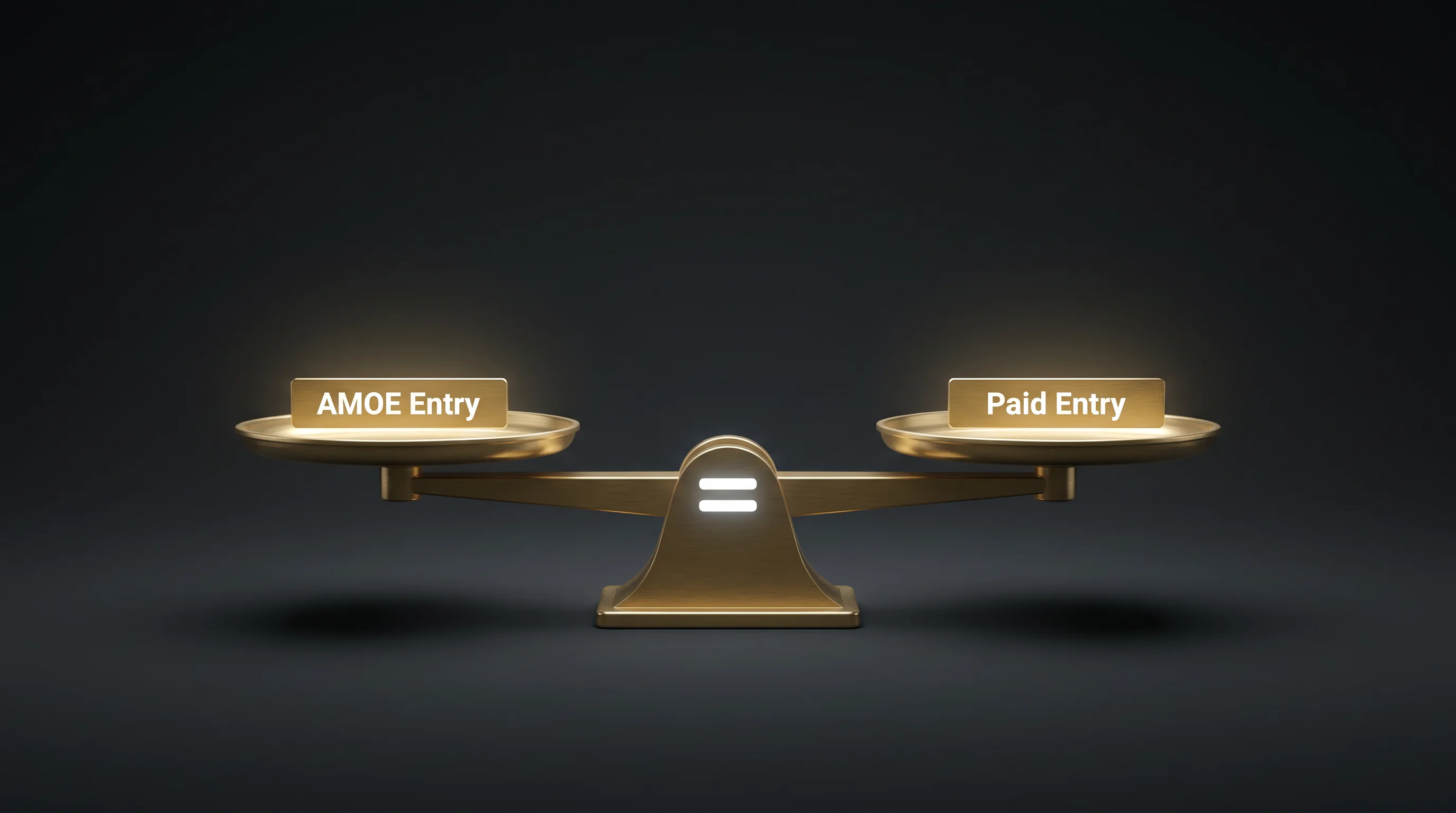
When a state attorney general wants to shut down a sweepstakes casino, the legal argument almost always comes down to one question: is this a lottery? And the sweepstakes operator’s defense, almost always, comes down to the same answer: no, because we accept free entries. That single structural element — the alternate method of entry — is the load-bearing wall of an entire industry that generated $10.6 billion in gross purchases in 2024. Remove it, and the whole legal framework collapses.
I have spent nine years analyzing sweepstakes compliance structures, and the elegance of this model — along with its fragility — continues to fascinate me. The sweepstakes casino model works not because it found a loophole in gambling law, but because it is genuinely built on a different legal foundation than a lottery. Understanding that foundation, and understanding exactly where it holds and where it bends, is what separates informed AMOE users from people who are just mailing postcards without knowing why.
Table of Contents
- Three-Element Test Application for Sweepstakes Casinos
- No Purchase Necessary: The Foundational Rule and Its Enforcement
- How AMOE Satisfies the NPN Requirement in Practice
- Dual Currency as Legal Architecture: Gold Coins and Sweeps Coins Explained
- When the Legal Model Breaks Down: 2025 Enforcement Actions
- Nominal vs. Genuine AMOE: The Difference Courts and Regulators Notice
- Legal Model and AMOE Compliance: Questions Answered
Three-Element Test Application for Sweepstakes Casinos
This entire legal framework relies heavily on the No Purchase Necessary rule, which legally separates promotional sweepstakes from traditional gambling.
Discover more about compliance, player rights, and operator reviews at SweepKey.
Here is a test question that illuminates the entire industry: what makes something an illegal lottery under U.S. law? The answer is three elements, all of which must be present simultaneously. Remove any one of them, and you do not have an illegal lottery. You have something else — potentially a perfectly legal promotion.
The three elements are consideration, chance, and prize. Consideration means something of value paid to participate — a purchase, a wager, money changing hands. Chance means the outcome is determined by random selection rather than skill. Prize means there is something of value to be won. A lottery has all three: you buy a ticket (consideration), numbers are drawn randomly (chance), and you can win money (prize). Traditional gambling has all three: you place a bet (consideration), the game has a random outcome (chance), and you can win money (prize).
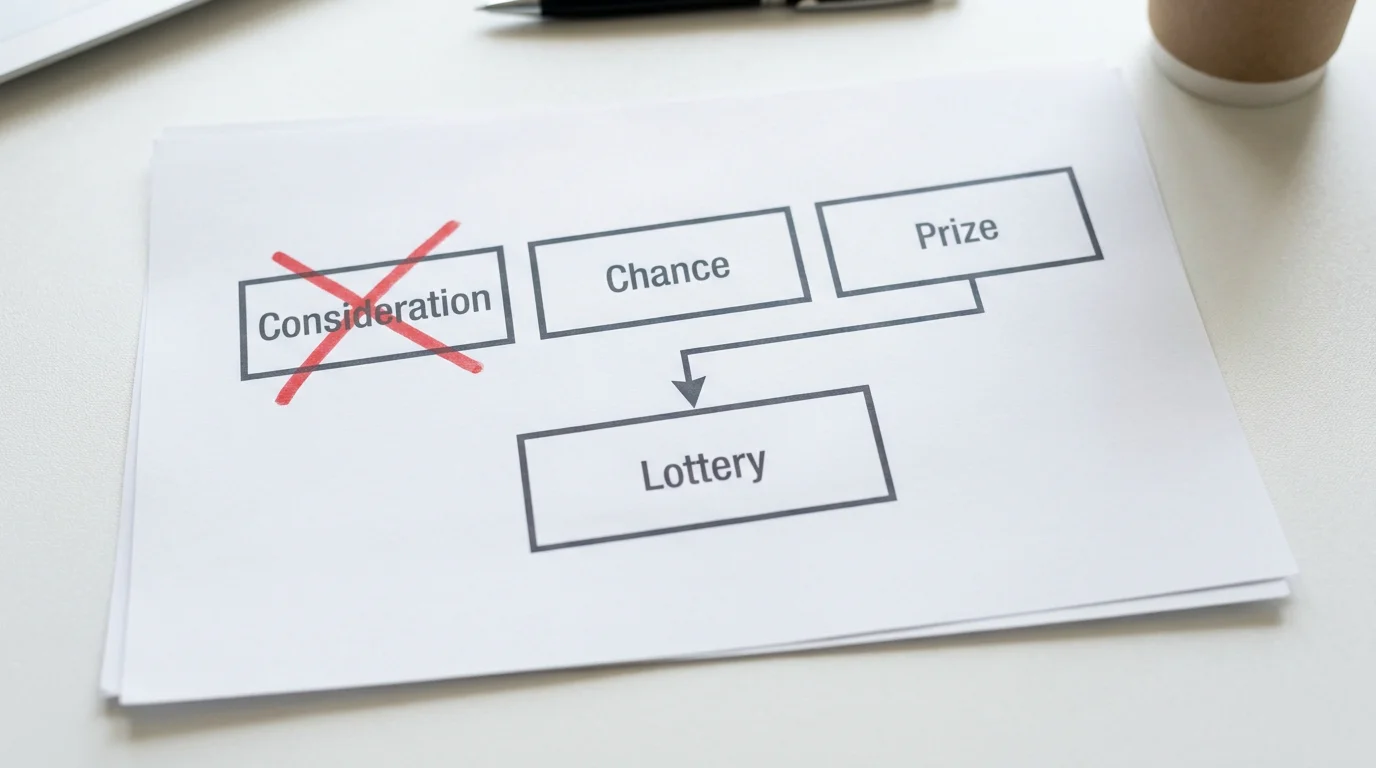
As Magnus Boberg, managing director of JustGamblers.com, has put it plainly: sweepstakes sites do not require payment, and that is precisely how they avoid the regulations applied to traditional online casinos. The removal of consideration is the legal foundation. A sweepstakes casino that genuinely provides a free entry method — a real, accessible, non-penalized AMOE — has eliminated the consideration element from its legal structure. No consideration means no lottery. No lottery means no illegal gambling operation, regardless of what the games look like on screen.
This is not a gray area in U.S. law. It is a well-established legal principle that applies to every sweepstakes from McDonald’s Monopoly to a radio station contest to a sweepstakes casino. The same three-element test has governed promotional law for decades. Sweepstakes casinos did not invent this structure — they applied it to a new product category at scale.
Where things get legally complicated is when the “consideration” element is not cleanly eliminated. If an AMOE program is so difficult to access that it functions as consideration in practice — requiring hours of effort, accepting obscure formats, consistently rejecting legitimate requests — regulators and courts begin to look at whether the consideration element has actually been removed or just nominally claimed to be absent. That distinction between nominal and genuine AMOE is where most of the current legal pressure on the industry is focused.
It is worth noting that the three-element test is not unique to online sweepstakes. It is the same framework applied to every cereal box contest, radio station giveaway, and mall promotional sweepstakes in America. The sweepstakes casino industry did not pioneer this legal approach — it inherited it from decades of promotional marketing law and applied it to a digital, game-like product at a scale those earlier promotional models never approached. That scale is part of what attracted regulatory scrutiny: the legal mechanism was familiar, but the revenue volume and the game-like experience created a profile that looked different from a McDonald’s contest to the lawmakers who ultimately moved against it.
No Purchase Necessary: The Foundational Rule and Its Enforcement
Every sweepstakes you have ever entered in the United States includes the phrase “no purchase necessary” somewhere in its rules. That phrase is not marketing copy — it is a legal requirement under FTC guidelines and state promotional law across all 50 states. Remove it, and you risk converting a legal sweepstakes into an illegal lottery.
The “no purchase necessary” requirement does more than just state that purchasing is optional. It creates a set of obligations for the operator. The odds of winning must be equal between purchasers and non-purchasers — someone who enters via AMOE must have the same probability of receiving Sweeps Coins as someone who bought a Gold Coin package. The AMOE process must be clearly disclosed — buried in fine print or requiring a significant investigation to find does not satisfy the disclosure requirement. And the AMOE method must be genuinely accessible, not so arduous that it functions as a barrier rather than an alternative.
FTC guidelines on sweepstakes have been clear on this point for decades. The equal-odds requirement is especially significant: a sweepstakes operator cannot structure their games so that purchased coins perform differently than free coins. A Sweeps Coin earned through AMOE must have identical game outcomes as a Sweeps Coin purchased alongside a Gold Coin package. Any technical mechanism that differentiated the two would undermine the legal foundation — and expose the operator to serious regulatory risk.
Enforcement has historically been uneven, primarily because sweepstakes compliance sits at the intersection of several regulatory domains — FTC consumer protection, state lottery laws, state gambling laws, and in some cases money transmission regulations. No single federal agency has clear, comprehensive jurisdiction over dual-currency sweepstakes platforms, which is part of why the industry was able to scale to its current size before significant regulatory action materialized. The regulatory gap is not a permanent feature of the landscape, however, as 2025 demonstrated. State-level enforcement accelerated sharply once states recognized both the scale of the market and the potential tax revenue implications of allowing an unregulated competitor to operate alongside licensed gambling operators who pay substantial licensing fees and gaming taxes.
How AMOE Satisfies the NPN Requirement in Practice
Saying “no purchase necessary” in the fine print is not the same as genuinely providing a free entry mechanism. The distinction sounds obvious, but in practice it has been the central compliance failure for a number of operators who technically offer AMOE but make it functionally inaccessible.
A genuine AMOE program has several specific characteristics. The processing address must be clearly published in the operator’s promotional rules — not buried, not missing, not requiring a support ticket to obtain. The entry format must be described in enough detail that a reasonable person can comply without additional guidance. The processing time must be stated and must actually reflect reality. The coin amount must be disclosed. And requests that meet all stated requirements must actually be credited — a pattern of rejecting legitimate, compliant requests is itself a compliance failure, not a series of individual processing errors.
Most importantly, the AMOE process cannot be punished. Any operator who makes it technically possible to submit an AMOE request but then shadows bans the account, reduces game access, or otherwise disadvantages players who use AMOE instead of purchasing has violated the NPN requirement in substance even while maintaining the form. As one sweepstakes legal compliance guide states directly, any attempt to hide, complicate, or penalize AMOE use is a direct violation of federal promotional law — a point worth keeping in the back of your mind when evaluating any new operator.
The practical test I use when evaluating an operator’s genuine compliance: can I find the AMOE address within two minutes of searching the operator’s website? Can I understand exactly what to write without reading more than one page of instructions? If a request I submit meeting all stated criteria gets rejected without a clear explanation, does support provide a specific reason rather than a form letter? Legitimate operators pass all three checks. Nominal AMOE programs typically fail at least one of them.
Dual Currency as Legal Architecture: Gold Coins and Sweeps Coins Explained
The two-currency model — Gold Coins that cannot be redeemed for prizes and Sweeps Coins that can — is not just a product design choice. It is a legal architecture that maintains the separation between “buying something” and “entering a sweepstakes.” Understanding why this separation matters clarifies why operators are so careful to keep the two currencies distinct in their terms and in their systems.
Gold Coins are entertainment credits. You buy them, you use them to play games in a social casino context, they have no cash redemption value. This purchase is the operator’s revenue mechanism — $10 billion in Gold Coin sales in 2024 — and it does not implicate gambling law because there is no prize attached to the Gold Coin itself. You are buying entertainment, not wagering for money. The game might look exactly like a slot machine, but under the legal structure, buying Gold Coins is no different from buying tokens at an arcade. The tokens let you play. They have no cash value. The comparison to an illegal lottery fails because there is no prize connected to the purchase.

Sweeps Coins are promotional currency. They arrive in your account either alongside a Gold Coin purchase as a promotional bonus, or through free entry methods including AMOE. They can be redeemed for real cash prizes or gift cards. This is the mechanism that makes the sweepstakes feel like gambling to most participants — because the Sweeps Coins have real-world redemption value — but it is legally structured as a promotional sweepstakes, not a wager. You did not pay for the Sweeps Coins directly (they came as a promotional accompaniment to the Gold Coin purchase, or for free via AMOE), and therefore the consideration element of the lottery test is not satisfied.
The legal coherence of this structure depends entirely on the AMOE mechanism remaining genuine. If there were no free entry option, then the only way to get Sweeps Coins would be to buy Gold Coins — which would reintroduce the consideration element and potentially convert the sweepstakes into an illegal lottery. AMOE is not a peripheral feature of the sweepstakes casino model. It is the structural requirement that makes the whole thing legally valid.
When the Legal Model Breaks Down: 2025 Enforcement Actions
For most of the industry’s explosive growth period — a 60 to 70% annual growth rate between 2020 and 2024 — the sweepstakes casino model operated with minimal regulatory interference. The legal structure was sound, the three-element test was satisfied, and no federal agency had moved to challenge it. That changed in 2025, and the change has been significant enough to reshape the industry’s near-term trajectory.
Six states enacted laws in 2025 that effectively banned or severely restricted dual-currency sweepstakes casinos: California, New York, Montana, Connecticut, New Jersey, and Nevada. The legal theories behind these actions varied. Some states moved through lottery regulation — arguing that AMOE was nominal rather than genuine and therefore the consideration element was not actually eliminated. Others moved through consumer protection frameworks, citing the $10+ billion in consumer spending on a product that many players described as gambling regardless of how operators labeled it.
New York’s attorney general Letitia James sent cease-and-desist letters to 26 sweepstakes operators in 2025, citing the state’s position that mail-in AMOE alone was insufficient for digital promotions under New York law. Tennessee’s attorney general followed with nearly 40 cease-and-desist letters to operators in December 2025. Maryland’s lottery commission forced more than 20 operators out of the state through regulatory action. The volume of enforcement action in a single year was unprecedented for the industry.
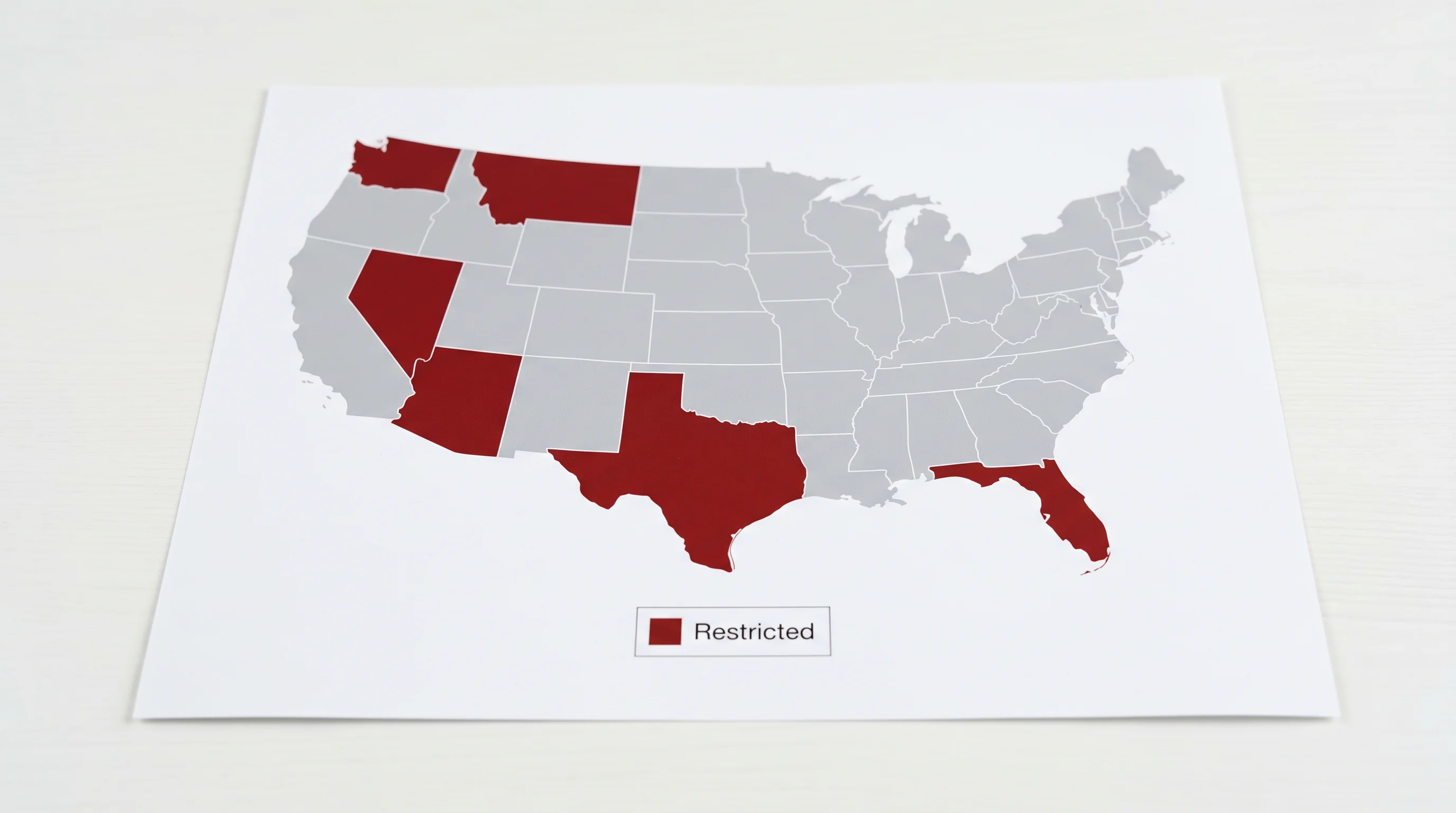
More than 100 class action lawsuits were filed against sweepstakes operators in 2025, many of them making the same core argument: that these platforms function as gambling operations, that AMOE is nominal rather than genuine, and that players were deceived about the nature of what they were participating in. Former Colorado gaming director Dan Hartman captured the tension well when he observed that companies are paying a lot to obtain gaming licenses and operate legitimately within states — and the emergence of an unregulated competitor operating at scale creates an uneven playing field that regulators eventually address. Shawn Fluharty, president of the National Council of Legislators from Gaming States, was more direct: in his observation, lawmakers rarely agree across party lines, but on sweepstakes casino enforcement there has been unusual consensus.
The enforcement wave does not invalidate the underlying legal model. States with licensing frameworks for online casino gaming have a specific interest in eliminating unlicensed competition, which colors some of the regulatory action. But the pattern of enforcement reveals that the sweepstakes model’s legal resilience depends on the AMOE mechanism being genuinely robust — and that operators who ran nominal programs were most exposed when regulatory scrutiny arrived.
Nominal vs. Genuine AMOE: The Difference Courts and Regulators Notice
The distinction between nominal and genuine AMOE is not theoretical. Courts and regulators have developed practical tests for it, and operators who have been on the wrong side of enforcement actions tend to have identifiable patterns in how their AMOE programs worked in practice.
A nominal AMOE program exists on paper and in terms documents but creates friction at every stage of actual use. The address is hard to find. The coin amount is so low that the economic incentive to actually use the program is negligible compared to the effort. Processing rejections are common even for correctly formatted requests. Support responses to AMOE inquiries are slow, unhelpful, or designed to discourage follow-up. The program is technically available but practically inaccessible to anyone who does not invest significant time and persistence.
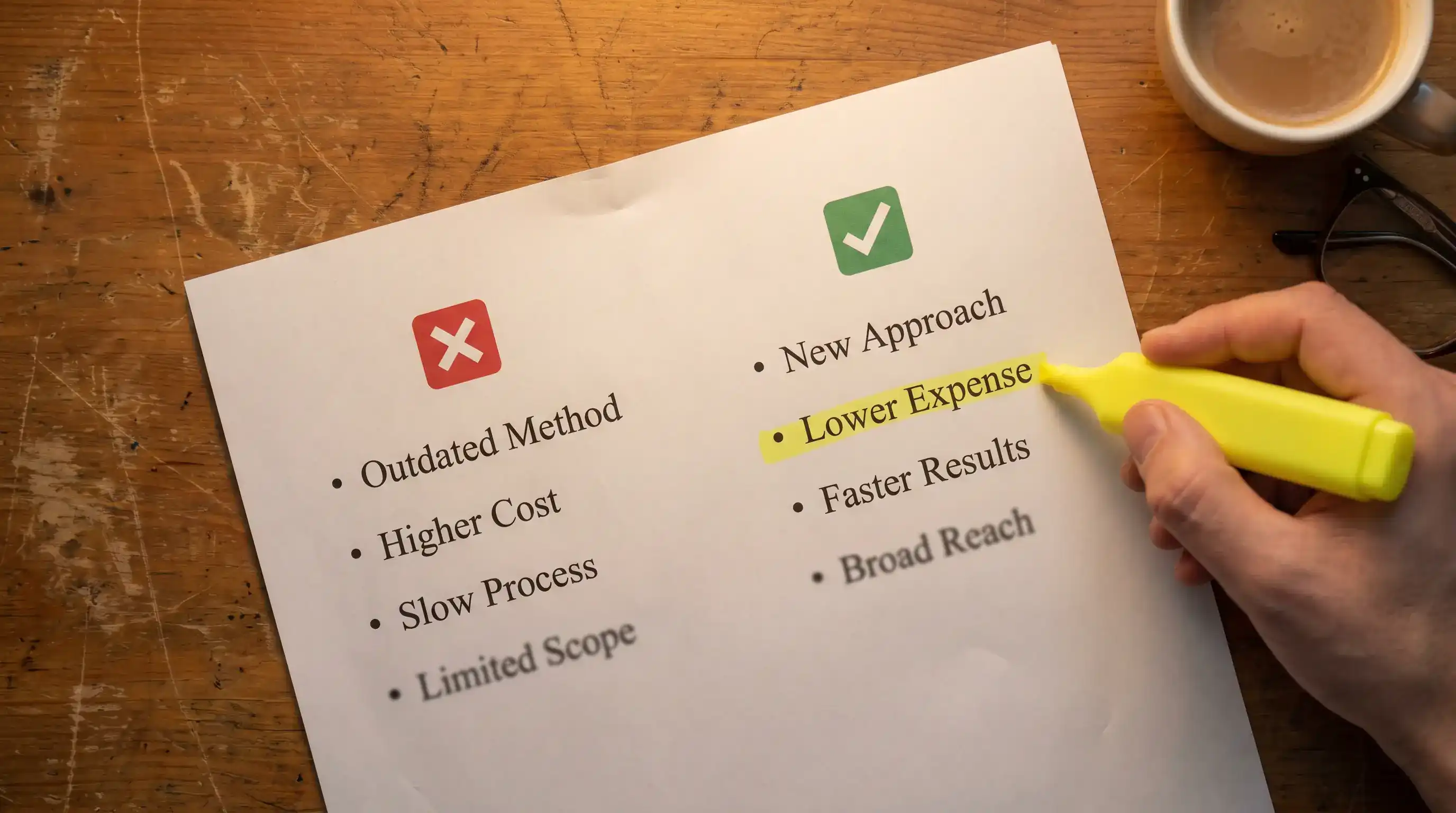
A genuine AMOE program is easy to find, easy to use, and consistently delivers on its stated terms. The address is published prominently in the rules. The format requirements are clear and simple. Processing happens within the stated window. Credited coins appear without requiring support intervention. The program is treated as a real user acquisition channel because, legally, it has to be.
The legal risk of a nominal program is not just regulatory. It is foundational. If a court determines that an operator’s AMOE is nominal — that the consideration element was not genuinely eliminated because the free entry method was functionally inaccessible — the entire sweepstakes structure fails. The platform is operating an illegal lottery. That is the outcome that makes enforcement actions existential rather than merely costly.
The irony is that running a genuine AMOE program is not expensive relative to the revenue the sweepstakes model generates. Processing a few thousand mail-in requests per day requires a modest staff and a reliable crediting system. Operators who ran nominal programs did not do so because genuine compliance was unaffordable — they did it because they underestimated the legal exposure, or because they saw AMOE as a formality rather than a structural requirement. The enforcement wave of 2025 changed that calculus permanently. Any new operator entering the market after 2025 would be unwise to treat AMOE as anything other than the legally critical mechanism it has always been.
For players, the nominal-versus-genuine distinction is the most important variable in evaluating an operator. An operator with a genuine AMOE program is running a legally sound sweepstakes. An operator with a nominal program is running a legal risk that could result in the platform shutting down, taking any unredeemed Sweeps Coins with it. Knowing the difference protects you as a participant. For more on the state-level implications of that regulatory risk, see our breakdown of AMOE state restrictions and the 2025 legislative landscape.
Legal Model and AMOE Compliance: Questions Answered
If a sweepstakes casino makes AMOE difficult to use, is that a legal violation?
It can be. Making AMOE genuinely inaccessible — through hidden addresses, excessive rejection rates, or processing failures on compliant requests — potentially reintroduces the ‘consideration’ element that the AMOE is supposed to eliminate, which could expose the operator to legal classification as an illegal lottery. The practical threshold is whether a reasonable person can submit a compliant free entry request without extraordinary effort. Difficulty that rises to the level of a functional barrier is a compliance concern, not just a customer service issue.
How is a sweepstakes casino legally different from a traditional online casino?
A licensed online casino explicitly charges players to wager real money — satisfying the ‘consideration’ element of the lottery test. A sweepstakes casino, through the AMOE mechanism, eliminates consideration: players can participate for free by mail or digital alternate entry, and the Sweeps Coins they play with are framed as promotional currency rather than a wager. The games may look identical, and the redemption outcomes may feel identical, but the legal structure is built on a different foundation — one that removes the consideration element that makes traditional gambling require a license.
What specific federal law or FTC rule requires sweepstakes to offer a free entry method?
There is no single federal statute that explicitly mandates AMOE for all sweepstakes. Rather, the requirement flows from the interaction of FTC guidelines on sweepstakes administration, the three-element test for illegal lotteries under federal law, and the lottery and gambling statutes of all 50 states. Without a free entry method, a sweepstakes with prizes determined by chance arguably satisfies all three elements of an illegal lottery — consideration, chance, prize — and becomes unlawful. AMOE is the mechanism for eliminating the consideration element and keeping the promotion on the legal side of that line.
Can an operator legally change or discontinue the AMOE program after launch?
Operators can modify AMOE terms — coin amounts, processing windows, address changes — with appropriate notice as specified in their terms of service. However, they cannot eliminate the free entry mechanism entirely while the sweepstakes promotion is ongoing, because doing so would remove the structural element that makes the promotion legal. Discontinuing AMOE entirely would require either ending the sweepstakes promotion or restructuring the entire product — which, in practice, means either shutting down or converting to a different legal model. Operators who have exited states due to bans have typically halted the entire sweepstakes product rather than trying to operate without AMOE.
Written by the editors at Alternate Method of Entry Sweepstakes.