
Sweepstakes Casino State Restrictions US: AMOE Bans
 Available in US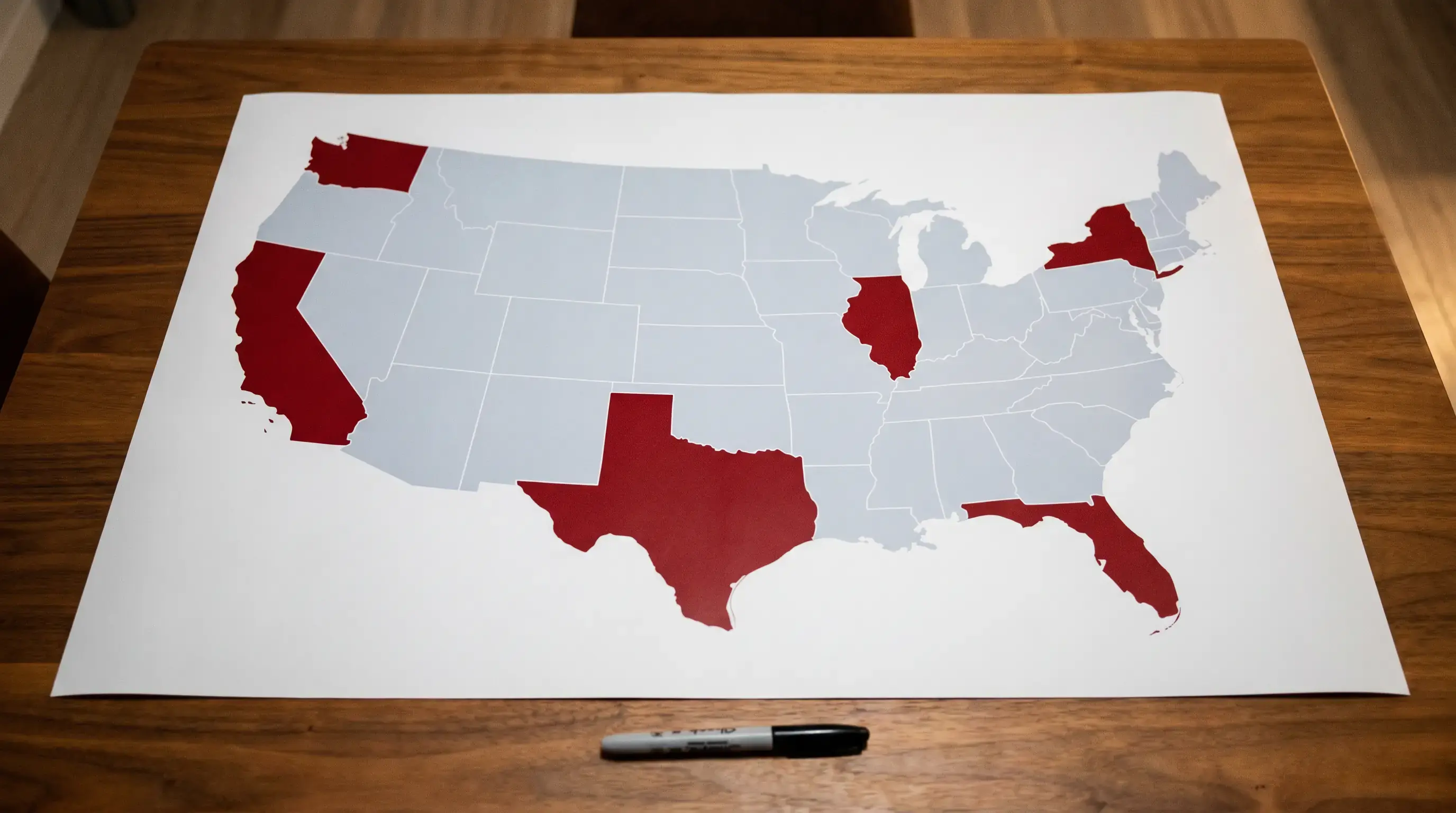
In early 2025, a player in California could send a mail-in AMOE request to dozens of sweepstakes operators and expect to receive Sweeps Coins within a few weeks. By the end of that year, most of those same operators had blocked California IP addresses, suspended California accounts, and stopped accepting California mailing addresses entirely. The state had not banned the player — it had banned the operators, and the operators responded by cutting off access to the entire state rather than risking enforcement action.
This is the new reality of sweepstakes casino access in the United States. Six states moved to restrict or effectively ban dual-currency sweepstakes platforms in 2025, accounting for a significant share of what had been the operators’s largest markets. California alone had accounted for 17.3% of all U.S. sweepstakes casino sales in 2025 — $2.42 billion in a single state. New York generated $762 million. Together, those two states represent nearly a quarter of the entire market. Their loss is structural, not temporary. The revenue forecasting models that projected $14.3 billion in gross sweepstakes casino revenue for 2025 were written before either state completed its regulatory action, and the actual numbers came in considerably below those projections.
Understanding where restrictions apply, why they exist, and what they mean for your AMOE access requires knowing how each state arrived at its position — because the legal theories differ, and those differences affect what options players in restricted states actually have. It also requires understanding which states are watching and likely to act next, because the regulatory map is still actively being drawn.
Table of Contents
- Active Sweepstakes Legislation and US State Exits
- California: The Largest Market Now Closed to Operators
- New York: Why Mail-In AMOE Alone Was Not Enough
- Montana, Connecticut, New Jersey, Nevada: What Changed
- Attorney General Actions and Operator Exits
- What Players in Restricted States Can Do
- State Restrictions and AMOE Access: FAQs
Active Sweepstakes Legislation and US State Exits
Players should also monitor the latest sweepstakes casino bans and legislative updates to see if their state is actively changing its stance.
Stay informed about your local regulations by checking the top resource for U.S. sweepstakes players regularly.
Six states did not coordinate their actions against sweepstakes casinos in 2025. They arrived at similar conclusions through different paths, which is why the legal basis for each restriction differs and why the practical effect on players varies by state.
The states that moved against sweepstakes platforms in 2025 are California, New York, Montana, Connecticut, New Jersey, and Nevada. Each arrived at its position through different mechanisms: some through legislative action, some through attorney general enforcement under existing consumer protection or lottery statutes, some through regulatory rulings by gaming commissions. The common thread was a determination that dual-currency sweepstakes platforms — regardless of their AMOE mechanism — were operating in a way that circumvented existing gambling regulatory frameworks and the licensing requirements and tax obligations those frameworks impose.
West Virginia delegate and National Council of Legislators from Gaming States president Shawn Fluharty put the legislative sentiment plainly: rarely do lawmakers agree across party lines, but on sweepstakes casino enforcement there was unusual consensus that these platforms were conducting operations that looked and functioned like illegal gambling. The “sweepstakes” framing was not persuasive to legislators who watched their constituents spend hundreds of dollars per month on platforms that offered game titles, interfaces, and prize mechanics indistinguishable from regulated online casinos.
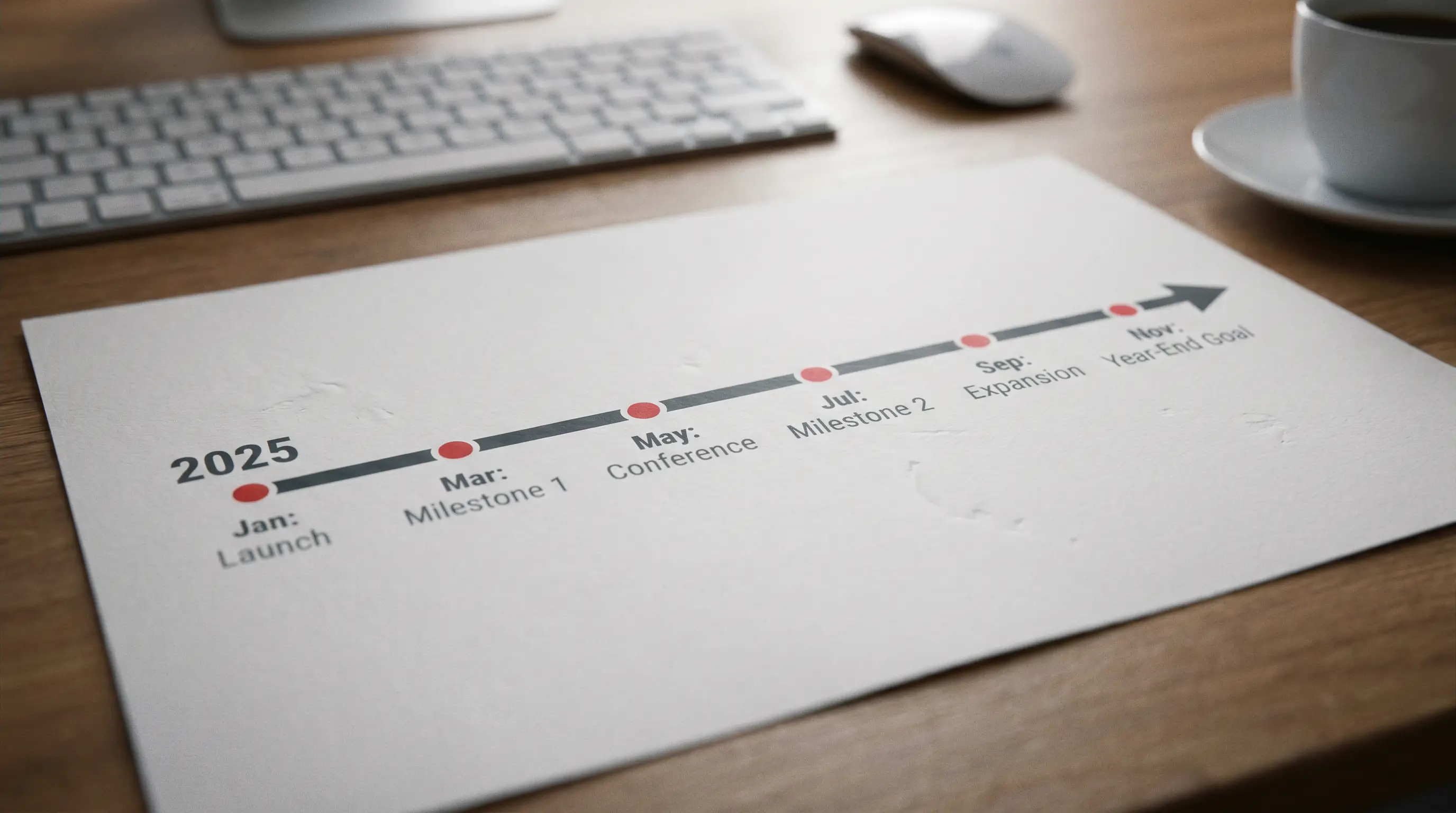
The speed of the legislative wave was itself notable. Between January and December 2025, six states completed enough of the regulatory or legislative process to produce actual enforcement consequences — operator exits, account suspensions, or active enforcement actions. More than 100 class action lawsuits were filed against sweepstakes operators during the same period, which created parallel legal pressure on top of state-level regulatory action. The combination of legislative movement, AG enforcement, and private litigation produced an environment where the largest operators began preemptively exiting states even before formal bans took effect, to avoid being named in enforcement actions and to protect their reputations in states where the legal picture was still uncertain.
The American Gaming Association noted that sweepstakes casino players in states without bans were engaging at roughly double the monthly rate of players in restricted states — a data point that illustrates both the scale of the market contraction in banned states and the continued vitality of the model in markets where it remains accessible. The regulatory wave did not kill the industry; it reshaped it, concentrating users and revenue in the states where operators remained able to operate.
California: The Largest Market Now Closed to Operators
California’s move against sweepstakes casinos was the single most impactful regulatory action of 2025 by market size. A state that generated $2.42 billion in sweepstakes platform revenue — nearly one in five dollars spent on these platforms nationally — shut its doors in a way that reshaped the economics of the entire industry.
California’s legal framework for the action drew on existing lottery statutes and consumer protection law. The state’s position, developed through the legislature and supported by the attorney general’s office, was that platforms offering Sweeps Coins redeemable for real cash prizes were operating prize-bearing games of chance with an effectively nominal free entry option — satisfying the three-element test for an illegal lottery in the state’s reading of the law. Operators who argued that their AMOE mechanism was genuine faced a difficult evidentiary burden: demonstrating that the mail-in or digital entry process was meaningfully accessible to a typical California user who was engaged with the platform online.
The response from operators varied in speed and approach. Some platforms suspended California accounts preemptively before formal action. Others waited for direct enforcement contacts before restricting access. A small number attempted to maintain access while modifying their terms to comply with what they understood the state’s requirements to be — but California regulators’s position was broad enough that incremental modifications did not resolve the underlying classification issue.
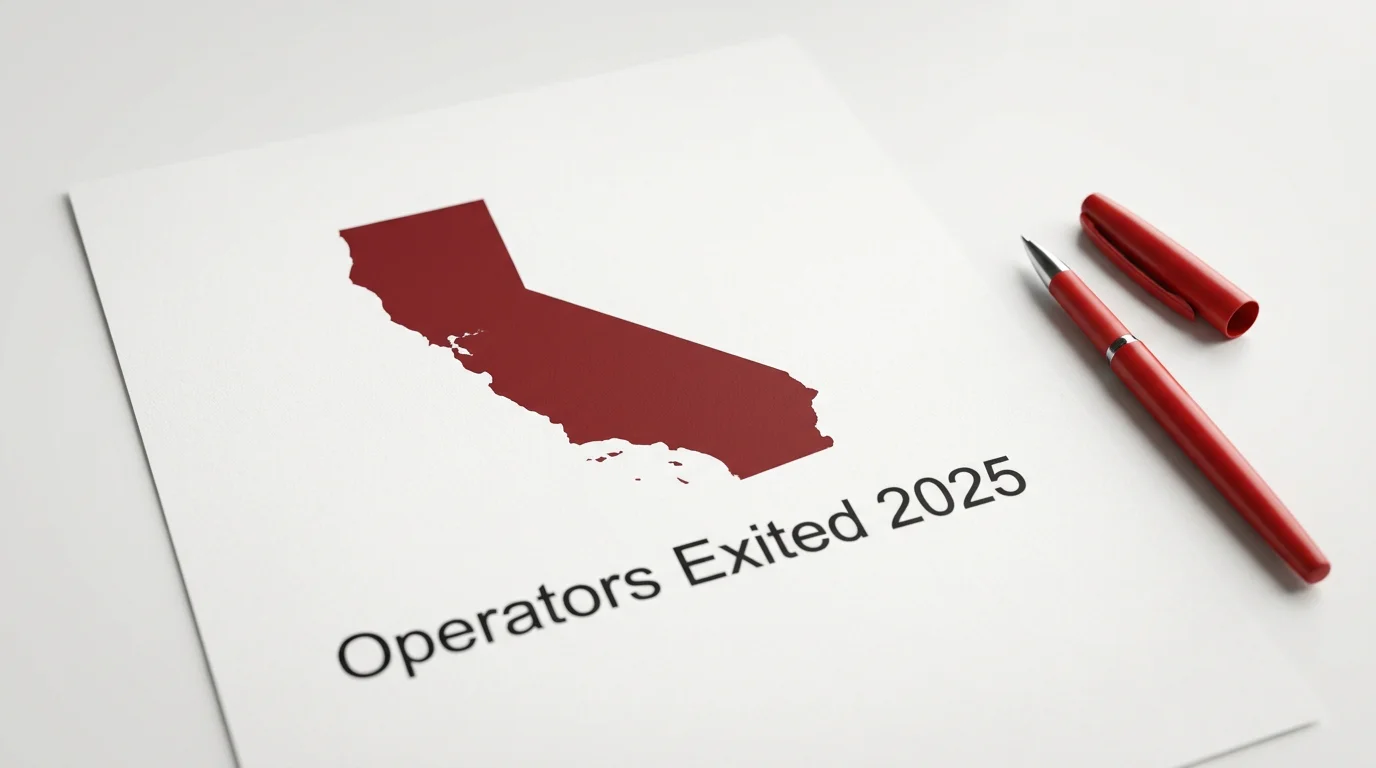
For California players who had accumulated Sweeps Coins balances, the operator exit created an immediate practical problem: unredeemed coins at a platform that has stopped serving your state may or may not be redeemable, depending on the operator’s exit terms. Some operators honored pending redemption requests from California users during a wind-down period. Others did not. The uncertainty around stranded balances is one of the most concrete harms that regulatory transitions impose on individual players — and it is one of the outcomes that made California’s action particularly newsworthy beyond the sweepstakes industry itself.
New York: Why Mail-In AMOE Alone Was Not Enough
New York’s approach to sweepstakes casino restriction was distinct from California’s in one significant way: it targeted the AMOE mechanism specifically, rather than framing the action as a straightforward lottery ban. New York’s position, developed through attorney general action, was that for digital promotions operating primarily through online interfaces, a mail-in-only alternate entry method was insufficient to satisfy the genuine free entry requirement under New York law.
The practical implication of this position is one that compliance analysts had been flagging for years: New York is the only state with an established regulatory position that mail-in AMOE, standing alone without a digital AMOE alternative, does not satisfy the “no purchase necessary” standard for online sweepstakes. An operator whose terms offered only a mail-in option was, under New York’s reading, running a promotion that had no genuine free entry mechanism accessible to typical participants in an online context — because not all online users know how to, or are willing to, mail a physical postcard.
Attorney general Letitia James sent cease-and-desist letters to 26 sweepstakes operators in 2025, many of them specifically citing the inadequacy of mail-in-only AMOE for a digital product. New York generated $762 million in sweepstakes casino revenue in 2024, making it the second-largest state market after California. The AG action effectively shut the state market for most operators who received letters and did not have a fully operational digital AMOE program already in place.

The New York situation illustrates a broader compliance gap that existed across the industry: many operators had implemented mail-in AMOE as a legal formality and had not invested in digital AMOE alternatives because the regulatory pressure to do so had not materialized. When New York moved, those operators were caught without a compliant digital alternative that would have addressed the specific legal theory the state was advancing. The lesson for operators in states that have not yet acted is clear — a mail-in-only AMOE program is the minimum viable compliance structure, and it may not be sufficient if the state applies New York’s reasoning.
Montana, Connecticut, New Jersey, Nevada: What Changed
The four other states that moved against sweepstakes casinos in 2025 each had distinct regulatory histories and specific motivations. What they share is that all four have existing licensed gambling frameworks — regulated online or land-based casino markets — and the sweepstakes model was visible as an unregulated competitor operating without a license in a space where licensing requirements exist.
Montana’s move was relatively straightforward: the state has a tight regulatory framework for electronic gambling devices, and the Montana Department of Justice concluded that sweepstakes casino games operating through that framework required compliance with state gambling licensing requirements that the operators were not meeting. The legal theory was more about device regulation than lottery classification, which is a distinct approach from the consideration-elimination argument that operators typically use to defend their legal status.
Connecticut and New Jersey, both states with operational online casino markets, moved through consumer protection and gambling regulation frameworks. The proximity to licensed operators created political pressure from licensed competitors — who pay substantial licensing fees and gaming taxes — to eliminate an unregulated market operating in the same consumer space. The argument that sweepstakes casinos captured consumer spending that would otherwise flow to licensed operators, without contributing the tax revenue that licensing generates, was politically effective in both states.
Nevada’s action was the most symbolically significant: the state that hosts the largest concentration of licensed gambling operators in the country moved to exclude sweepstakes casino platforms. Nevada’s existing gambling law is comprehensive enough that most activities that resemble gambling require licensing, and the Nevada Gaming Control Board’s interpretation of the sweepstakes model was that it fell within the licensing requirement regardless of the AMOE mechanism. Nevada’s conclusion — that the sweepstakes framing does not override the gambling classification when the product looks and functions like gambling — is the most direct challenge to the legal model’s long-term viability.
Attorney General Actions and Operator Exits
The mechanism that produced the most immediate player impact in 2025 was not legislative action but attorney general enforcement — specifically, cease-and-desist letters that gave operators a deadline to either cease operations in the relevant state or face legal action. These letters created a binary choice for operators: comply and exit the state, or contest the legal theory and face litigation.
Most operators chose to exit rather than contest. The legal costs of fighting an attorney general in their home jurisdiction, with the associated reputational risk and the uncertainty of outcome, typically exceeded the revenue value of the individual state market — particularly for mid-size operators for whom a single state represented only a few percent of total revenue. Larger operators with more to lose fought some of the actions, but the pattern of preemptive exit was more common than legal resistance. The calculus changed somewhat for California and New York given the market size, but even in those states the dominant operator response was exit rather than litigation.
Tennessee’s attorney general sent cease-and-desist letters to nearly 40 sweepstakes operators in December 2025. Maryland’s lottery and gaming commission forced more than 20 operators out of the state through regulatory action. These actions, while occurring in states that were not among the formal 2025 ban states, demonstrated that the enforcement model was expanding beyond the initial six. The pattern suggests that attorney generals who had not yet acted were monitoring their counterparts’s enforcement activity and waiting for legal outcomes before committing to their own positions.
For players in affected states, the pattern of operator exits was often abrupt. A platform accessible on Monday was blocked by Thursday, with no advance notice about the timeline. Account balances, including accumulated Sweeps Coins, were sometimes accessible for a wind-down period and sometimes not. If you are in a state where regulatory action is active or pending, the practical guidance is clear: do not accumulate large unredeemed Sweeps Coin balances on any platform that has not confirmed its compliance status in your state. The cost of being caught with hundreds of SC in a frozen account is real and avoidable with modest planning.
What Players in Restricted States Can Do
The honest answer to “what can I do if my state has banned sweepstakes casinos” is: not much, within the law. Using a VPN to access a blocked platform is technically possible but represents a violation of virtually every operator’s terms of service — if detected, the account is closed and any accumulated Sweeps Coins balance is forfeited. The legal exposure for the player is typically minimal, but the practical risk of losing your balance is real, and it is not a risk with a corresponding upside that justifies it.
In states where the ban is operator-specific rather than categorical — where some operators have received enforcement actions and others have not — the remaining accessible operators are the more relevant landscape. Monthly active player counts in states with bans run at roughly half the rate of states without bans, according to American Gaming Association data. The market contracts significantly when large operators exit, but it does not go to zero in most cases. Identifying which specific operators remain accessible in your state requires checking current operator terms and geolocation policies directly — not second-hand information from a forum post that may be months out of date.
The more useful question for players in restricted states is whether the regulatory landscape is likely to shift in either direction over the next 12 to 24 months. Several states that took initial enforcement action in 2025 are working through legislative processes that will either formalize the ban through statute or potentially create a licensing pathway that allows regulated sweepstakes operations. A licensing pathway — which some operators have stated they would welcome — would allow platforms to operate legally while meeting state requirements for consumer protection, responsible gaming standards, and tax contributions. Jeff Duncan of the Social Gaming Leadership Alliance has stated publicly that the industry wants to be regulated and wants to pay taxes, which positions at least the organized segment of the industry as receptive to a licensing framework rather than simply fighting all regulatory action.

For players whose states have not yet moved against sweepstakes casinos, the 2025 regulatory wave is relevant context for how to manage your AMOE activity and Sweeps Coin accumulation. Keep balances at reasonable levels that you can redeem on short notice. Maintain accounts at multiple operators to hedge against any single platform’s regulatory exposure. And verify operator compliance status periodically — especially if your state has a licensed casino market or an active attorney general who has engaged with sweepstakes issues in neighboring states. The players who lost the most in the 2025 wave were those who had accumulated large balances under the assumption that their platform would remain accessible indefinitely.
The underlying legal structure of sweepstakes casinos — built on genuine AMOE — remains legally coherent in states that have not moved against the model. Understanding the legal basis for your state’s current position, and knowing what arguments have been used against the model elsewhere, is the most actionable information available to anyone navigating this landscape. For the legal foundation of why AMOE exists and how the three-element test works, see our detailed breakdown of the sweepstakes casino legal model.
State Restrictions and AMOE Access: FAQs
If a sweepstakes casino is banned in my state, can I still access it through a VPN?
Technically possible, but operators’ terms of service prohibit it. If an operator detects VPN usage from a banned state, the account is subject to closure and any accumulated Sweeps Coins balance is forfeited. The legal exposure for the player is generally minimal — you are unlikely to face personal legal consequences for accessing a blocked website — but the financial risk of losing your balance is real. Most compliance-aware operators have geolocation tools capable of detecting VPN use, and the risk-reward calculation does not favor this approach.
Do players already holding Sweeps Coins get to keep them when a state bans the operator?
This varies significantly by operator and by how the ban is implemented. Some operators provide a wind-down period during which existing balances can be played through or redeemed before access is fully blocked. Others suspend accounts immediately upon state exit, with unredeemed balances held pending a dispute process. There is no universal standard. The safest approach is to maintain Sweeps Coin balances at levels you can redeem relatively quickly, rather than accumulating large balances on any single platform in a state with active regulatory risk.
Which states are currently undecided on sweepstakes casino legislation as of mid-2026?
The regulatory map as of mid-2026 includes states with confirmed bans, states with pending legislative activity, and states that have not yet formally engaged with the question. States with active online casino licensing frameworks are the most likely to act next because the sweepstakes model creates competitive pressure on their licensed operators. States without existing gambling regulation infrastructure are less predictable. The landscape is changing quickly enough that checking a current regulatory tracker — rather than relying on information that may be weeks or months old — is the practical recommendation for any state-specific question.
Prepared by the Alternate Method of Entry Sweepstakes editorial staff.