
Social Media AMOE Promos US: Claiming Free Sweeps Coins
 Available in US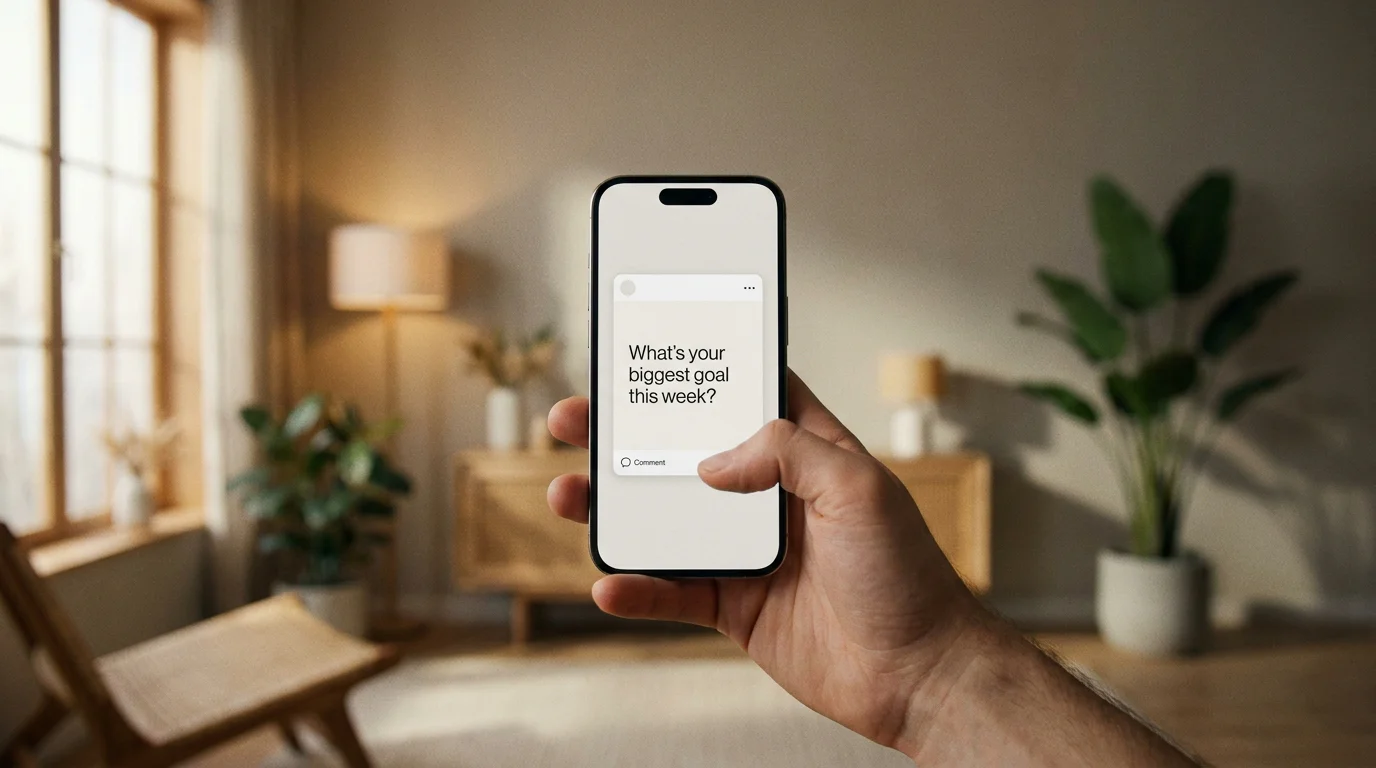
Social media AMOE has become one of the more interesting compliance questions in the sweepstakes space precisely because it sits at the intersection of two complex regulatory frameworks: sweepstakes law and social platform terms of service. I’ve seen operators run social AMOE programs that work cleanly, and others where the compliance holes were significant enough that I’d have flagged the whole setup for revision. The answer to “can a like or share count as a free casino entry?” is yes — but the conditions matter a lot.
Accepted Social Platform Actions for Alternate Entry
The spectrum of social actions that operators have used as AMOE mechanisms is broader than most players expect. At one end are passive engagement actions: following the operator’s account on a social platform, or reposting a specific post. These require minimal effort from the player and are easy for the operator to verify through platform analytics. At the other end are more active content-creation actions: commenting on a post with a specific phrase, submitting an original response to a prompt, or sharing the operator’s content with a specific hashtag.
The one-per-day standard that applies to other AMOE formats also constrains social AMOE. Operators who use social actions as their AMOE mechanism typically set a specific qualifying action per day — such as commenting on the designated daily post — rather than treating any social engagement as an unlimited entry mechanism. The daily cap prevents the social AMOE from being gamed through automation or bulk action.

A third category of social AMOE that’s become more common is content-tagging: players tag friends in a post as part of their entry. This hybrid model serves a dual function for operators — it’s AMOE compliance and organic marketing simultaneously. The compliance risk here is that some social platforms’ terms of service prohibit “like and tag to win” mechanics specifically. If the operator’s social AMOE format violates the social platform’s rules, the entire entry mechanism can be shut down without warning — leaving the operator’s AMOE program dependent on a format that could disappear overnight.

Legal Compliance: When Social AMOE Is and Is Not Compliant
The NPN requirement applies identically to social AMOE and mail-in AMOE. Sweepstakes law across all 50 states requires that the free entry method be genuinely accessible — which for social AMOE means the social platform itself must be freely accessible to participants. If a player would need to create an account on Facebook or X to submit the AMOE, they’ve incurred a different kind of “consideration” — not money, but the data and attention trade that creating a social account involves.
Most compliance practitioners take the position that requiring social media account creation as a prerequisite for AMOE is acceptable as long as the social platform is freely joinable — which all major platforms are. The FTC’s position on this is less settled, and different state AGs have reached different conclusions. The cleanest legal position for operators who want to use social AMOE is to offer it as one of multiple AMOE options rather than as the only free entry mechanism, which preserves genuine accessibility for participants who prefer not to use social platforms.
New York’s regulatory framework is particularly relevant here. The state’s position that digital sweepstakes require an online-accessible AMOE means that social AMOE — while digital — may not satisfy New York’s requirements if it creates a platform-specific barrier. An operator whose only AMOE is a Facebook comment may face the same New York compliance problem as one whose only AMOE is postal mail: the digital accessibility standard requires an option available without a third-party platform intermediary.

Platform-Specific Rules: Facebook, X, Instagram Constraints
Every major social platform has terms of service that govern promotional contests and sweepstakes run on their platform. These terms are separate from sweepstakes law and exist for the platform’s own reasons — mostly to prevent the kind of low-quality engagement-baiting content that “like and share to win” campaigns produce at scale.
Facebook explicitly prohibits requiring users to share a post on their personal timeline or tag friends as a condition of entry to a contest or sweepstakes. This means a Facebook AMOE that says “share this post to enter” is in violation of Facebook’s promotion guidelines, even if it’s legally compliant under sweepstakes law. Operators who use Facebook as an AMOE channel must design their entry mechanic around permitted actions — commenting on a post, for example, or engaging with a specific Facebook ad — rather than prohibited sharing requirements.
X (formerly Twitter) has similar restrictions against requiring retweets as a condition of contest entry. Instagram’s guidelines restrict certain contest mechanics and require disclosure language within the post itself. Each platform has its own policy landscape that operators need to navigate in addition to sweepstakes legal compliance — and these platform policies can change without the kind of advance notice that allows operators to adjust gracefully.

Social AMOE vs. Mail-In AMOE: Which Delivers More SC?
Comparing social AMOE and mail-in AMOE on SC delivery requires specifying what you mean by “more.” Per transaction, social AMOE at most operators awards the same SC amount as mail-in AMOE — the entry is an entry regardless of how it was submitted. Some operators periodically run higher SC promotions through social channels as a way to boost engagement on those platforms, but as a baseline, the award is typically equivalent.
Where social AMOE differs from mail-in is in reliability and control. Mail-in AMOE is entirely within the player’s control — the instructions are fixed, the address is fixed, and the submission process doesn’t depend on any third party. Social AMOE depends on the social platform remaining available, the operator’s account remaining active on that platform, the specific daily post being published on schedule, and the platform’s own terms not changing in ways that invalidate the mechanic. A player who builds their entire AMOE strategy around a single operator’s social channel AMOE is exposed to disruptions that don’t exist in the mail-in channel.
For building a consistent multi-operator SC accumulation strategy, I treat social AMOE as a supplementary channel rather than a primary one — useful when an operator’s social promotions are running and accessible, but not reliable enough to replace the consistent baseline that mail-in provides. The complete comparison of all free SC methods — including social promotions alongside AMOE and daily logins — gives the full strategic picture for players optimizing across multiple entry channels.
Social Media Free Entry: Questions
Can an operator require you to follow their social media account as the only AMOE option?
Technically yes, with important caveats. Requiring a social media follow as the sole AMOE mechanism is legally defensible as long as the social platform is freely joinable, but it creates real accessibility concerns for participants who don’t use that platform. The stronger compliance posture is to offer social AMOE as one option among several — including a mail-in or digital form option — so that participation doesn’t require engaging with a specific social platform. An operator whose only AMOE is a social media follow, and whose social account becomes unavailable or gets suspended, would have no functional AMOE program at all, which is a serious compliance failure.
Do social media AMOE actions credit faster than mail-in requests?
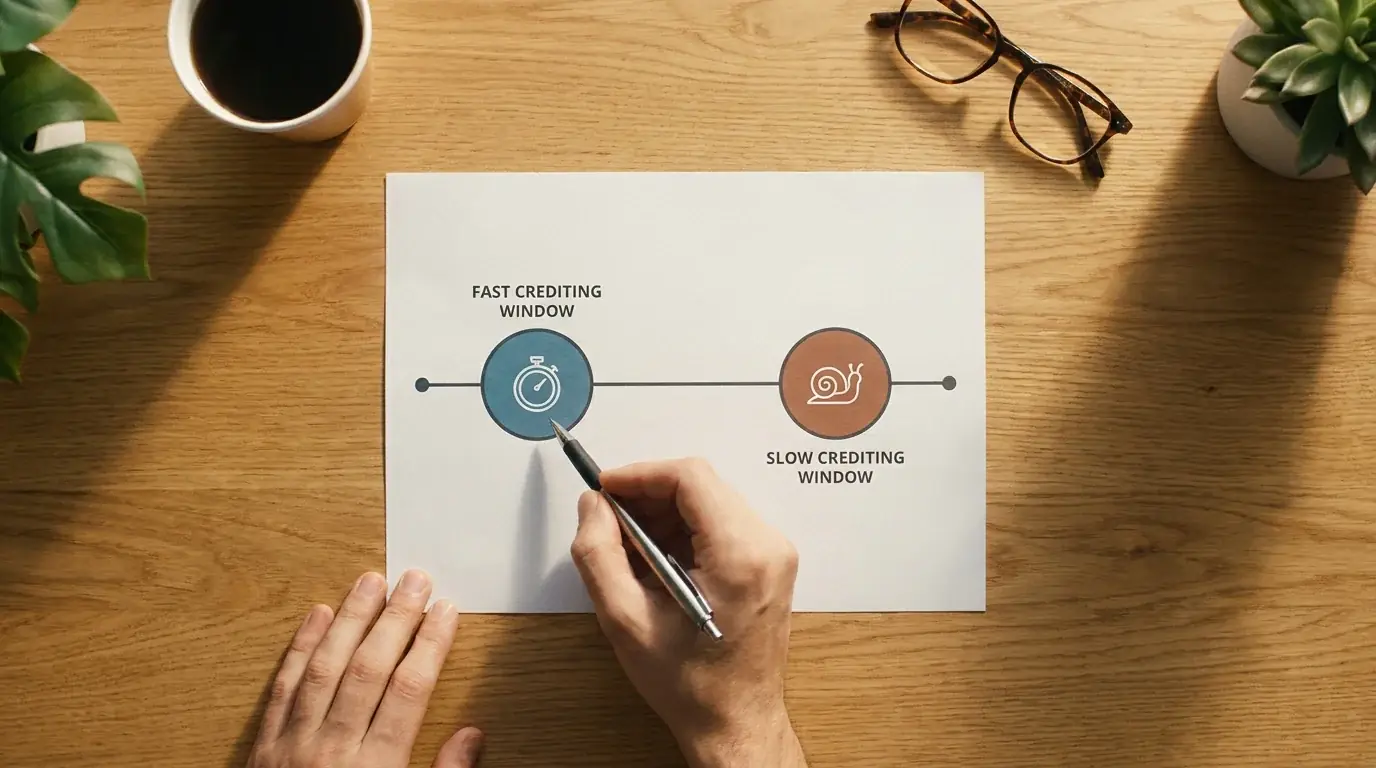
Usually yes, significantly. Social AMOE mechanics that are integrated with a verification system can credit within 24 to 48 hours of the qualifying action, compared to the standard seven-to-fourteen-business-day processing window for mail-in. The faster crediting reflects the elimination of physical processing — there’s no postcard to receive, read, and manually match; the system can verify the social action and issue the SC credit through an automated workflow. The speed advantage is one of the genuine benefits of social AMOE where it’s properly implemented, though it comes with the platform dependency limitations described above.

Prepared by the Alternate Method of Entry Sweepstakes editorial staff.