Sweepstakes Player Demographics US: 2026 User Statistics
 Available in US
One of the more revealing moments in my compliance work came from looking at player demographic reports rather than terms documents. I’d spent years focused on the legal mechanics of AMOE and the operational side of sweepstakes structure — and I’d built up a mental image of the typical player that turned out to be wrong in some important ways. The actual data on who plays sweepstakes casinos, and how they behave, matters both for understanding the industry and for contextualizing the regulatory pressure that intensified in 2025.
Player Age Distribution and Casino Spending Behavior
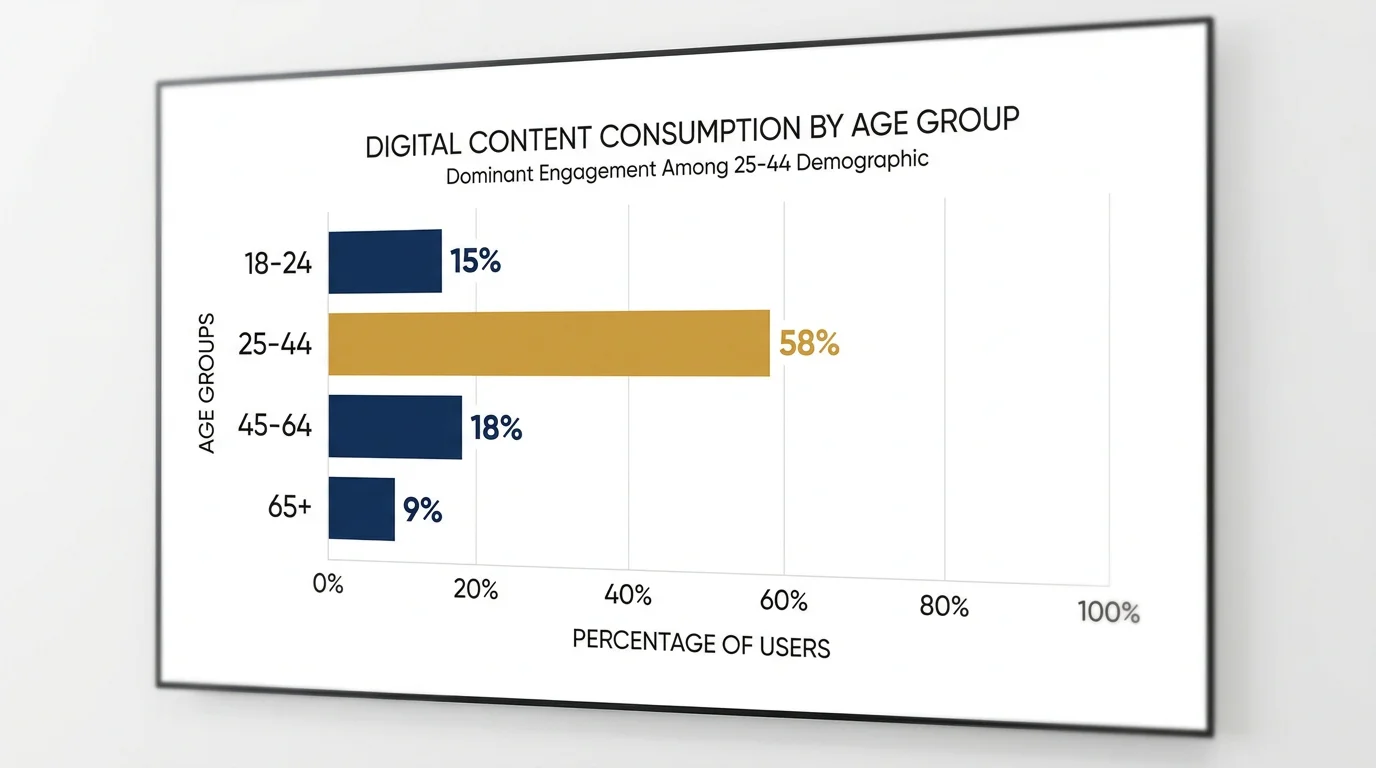
The sweepstakes casino player base is not, as the casual observer might assume, dominated by older retirees or very young casual gamers. The largest age cohort — 58% of verified players — falls in the 25 to 44 range. This is the millennial and early Gen X demographic: adults in their prime working years, with disposable income and high smartphone engagement, who discovered sweepstakes platforms through digital advertising and social media channels.
What does this demographic profile tell us? A few things. First, these are not technologically inexperienced users who might be confused about the distinction between sweepstakes play and real-money gambling — they’re digital natives who made a choice to engage with the product. Second, the 25 to 44 cohort has higher average disposable income than younger adults, which is consistent with the purchasing patterns the data shows. Third, they’re the same demographic that drives regulated iGaming growth in the states where it’s legal, which explains part of why the sweepstakes and regulated gambling industries have such contentious competitive dynamics.
The remaining 42% of the player base splits across younger and older age groups, with meaningful participation from adults over 45 who, in some market segments, show higher per-session engagement times. The age distribution varies somewhat by region and platform type, but the 25-to-44 dominance holds consistently across major operator datasets.
Monthly Spending Patterns and Purchase Frequency
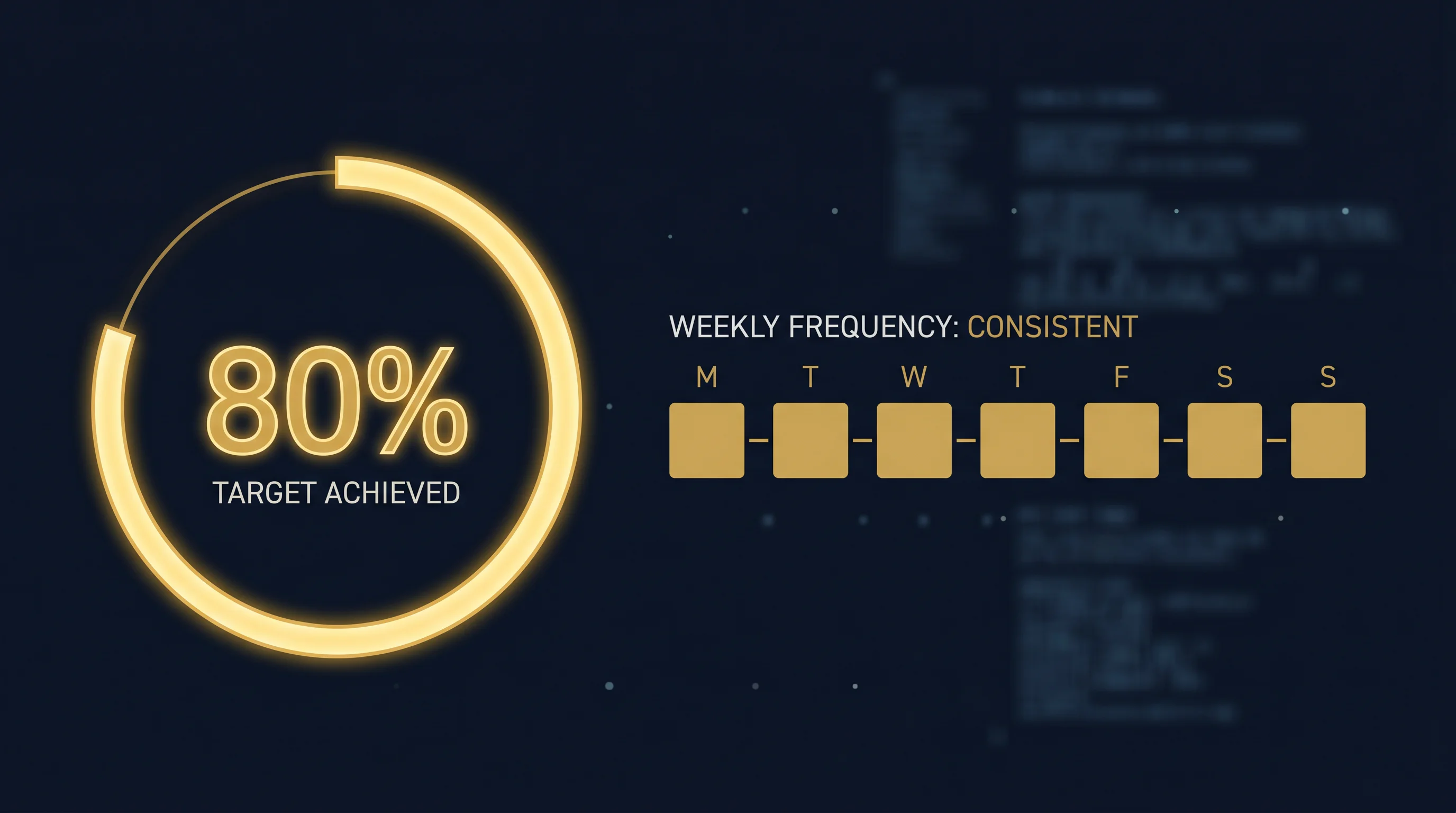
Here’s the data point that shows up in regulatory filings and AG enforcement letters more than any other: 80% of sweepstakes casino players spend money monthly. Not just play — spend. And almost half of those spending players do so on a weekly basis.
That level of purchase frequency, combined with the absence of the consumer protection mechanisms that licensed gambling operators are required to provide, is what Tres York at the American Gaming Association was referencing when he stated publicly that consumers see through the “sweepstakes” framing and treat the experience as gambling. When you’re making weekly purchases at a platform that presents gambling-style games with randomized outcomes and prize potential, the subjective experience is functionally indistinguishable from gambling — whatever the legal characterization of the platform might be.
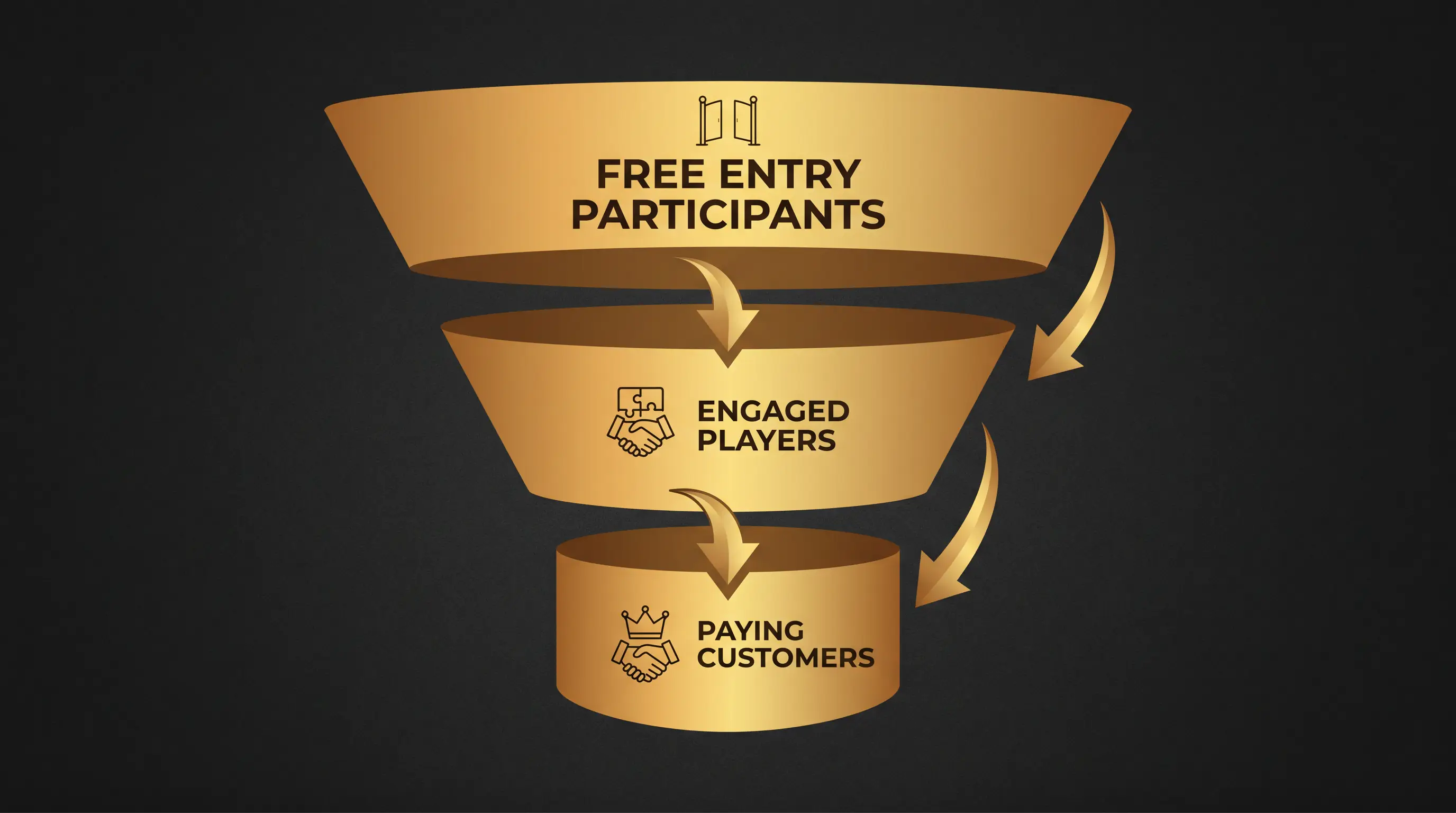
The spending patterns also reveal something about the relationship between AMOE participation and purchase behavior. Players who initially engage through AMOE — acquiring free SC without any purchase — represent a meaningful acquisition channel that operators have documented as producing a subset of eventual purchasers. The conversion from free participant to paying customer doesn’t happen for most players, but it happens for enough to make AMOE a financially meaningful acquisition tool for operators even when the direct per-request SC cost is low.
Only 12% Buy: The Non-Paying Majority and Its Implications
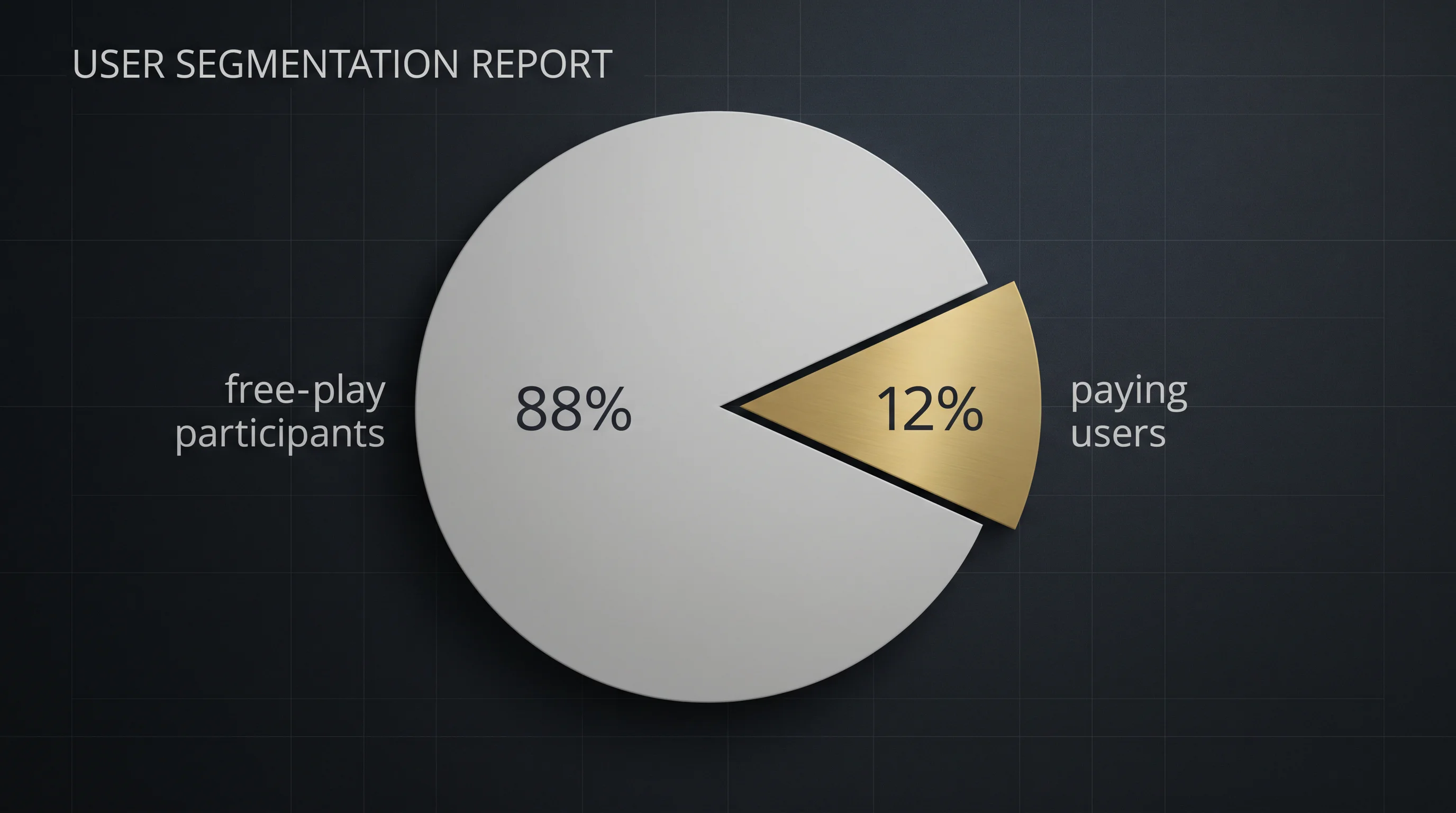
Twelve percent. That’s the fraction of sweepstakes casino users who ever make a purchase. The other 88% play for free — using AMOE, daily login bonuses, promotional SC, and gameplay winnings to maintain their balance without spending money.
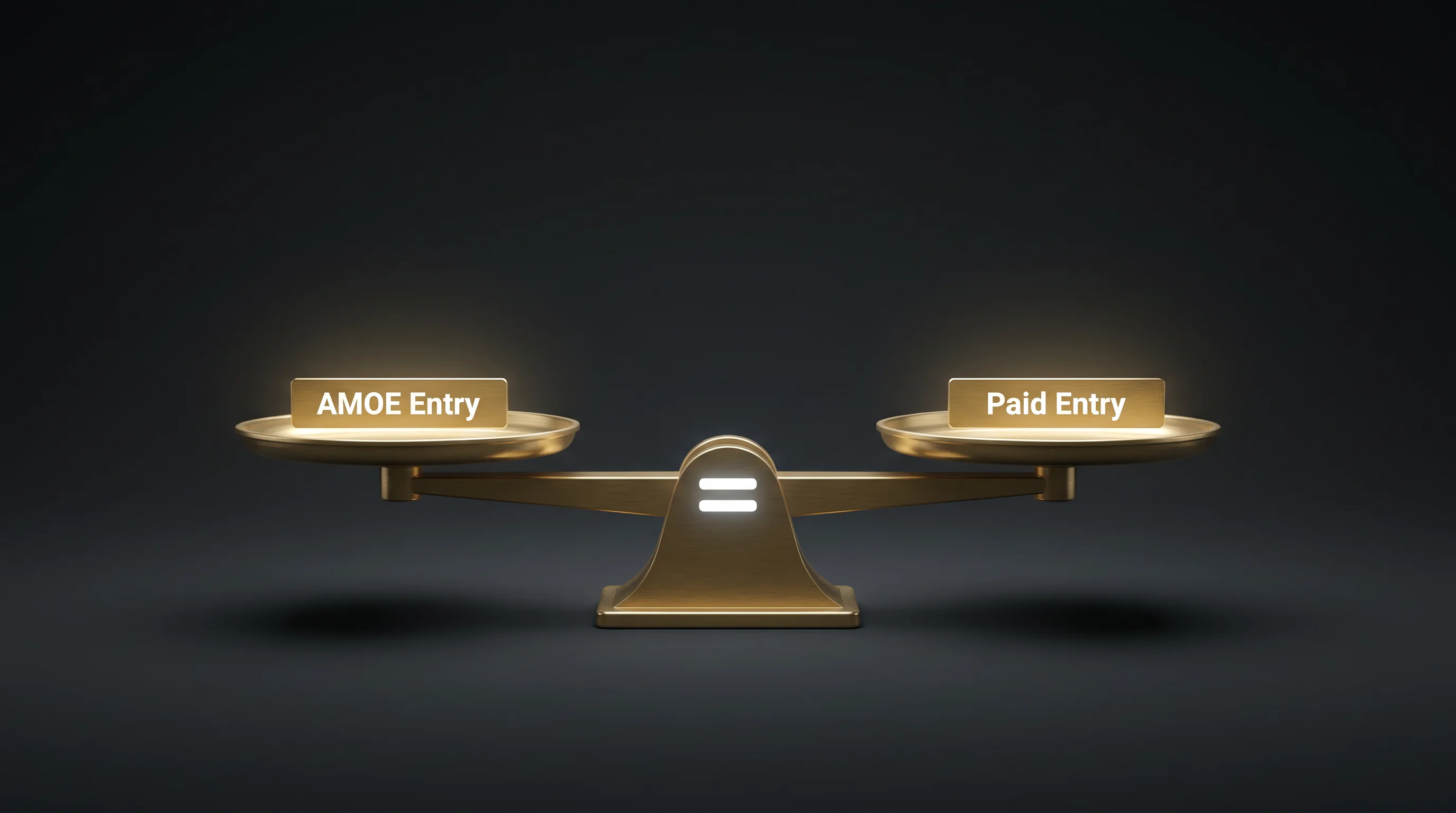
This ratio has significant implications for how we think about AMOE. The free entry mechanism isn’t a compliance footnote serving a marginal population — it’s the primary access pathway for the overwhelming majority of platform participants. When operators make AMOE difficult, confusing, or poorly functioning, they’re degrading the experience for most of their users, not a fringe edge case.
The 12% who do purchase tend to have higher engagement levels and higher per-transaction amounts than the free-play cohort. Industry data suggests a typical purchase of less than $10 per transaction for most buyers, though a smaller segment of heavy purchasers contributes disproportionately to total Gold Coin revenues. This “whale” dynamic — where a small percentage of users account for a large percentage of revenue — is familiar from other consumer platform models and suggests that the 88% free-play majority isn’t generating proportionate revenue, even while representing the majority of usage volume.
ARPU Growth: 17% Per Year and What It Means
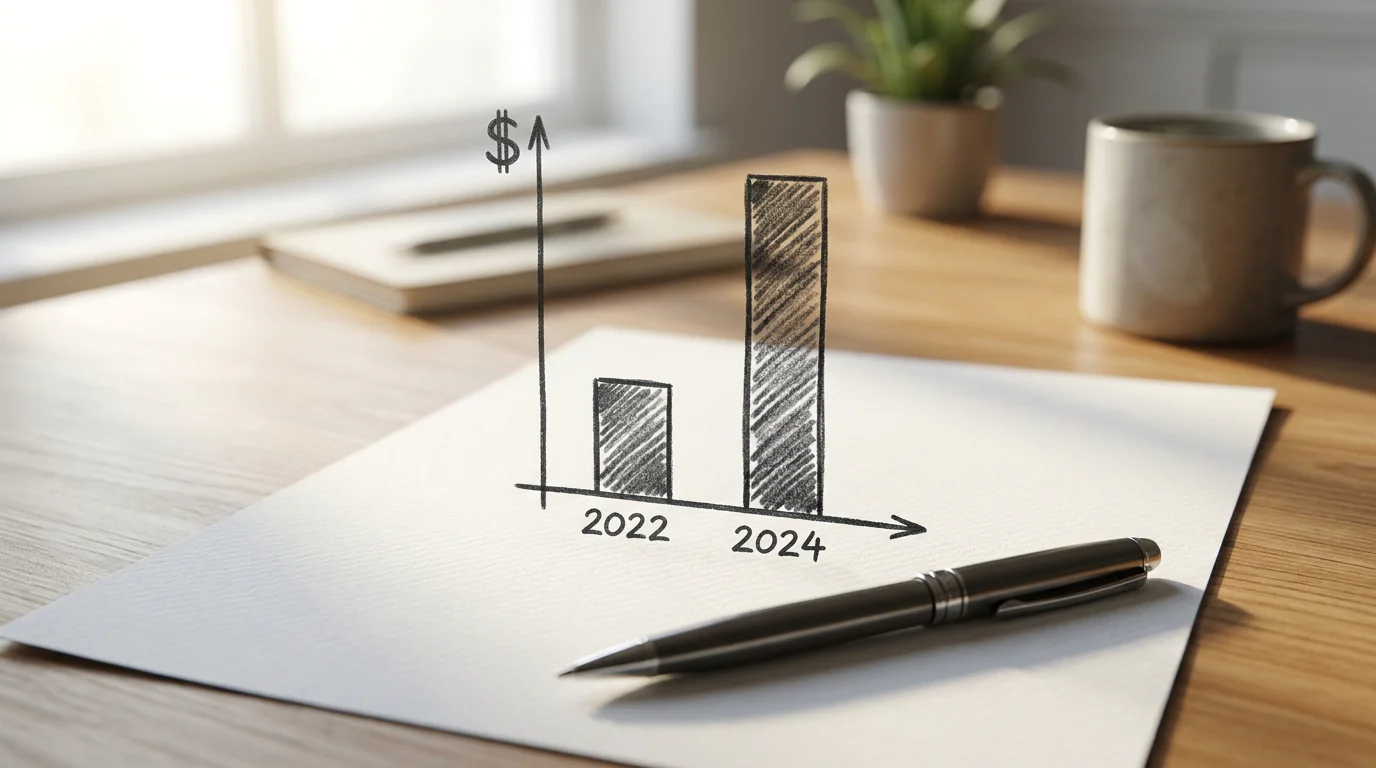
Average revenue per user in the sweepstakes sector grew by 17% annually between 2020 and 2024. That sustained ARPU growth, compounding over four years, is one of the drivers behind the industry’s dramatic total revenue expansion. It reflects two things happening simultaneously: more users engaging at purchasing levels, and existing purchasing users increasing their per-year spend.
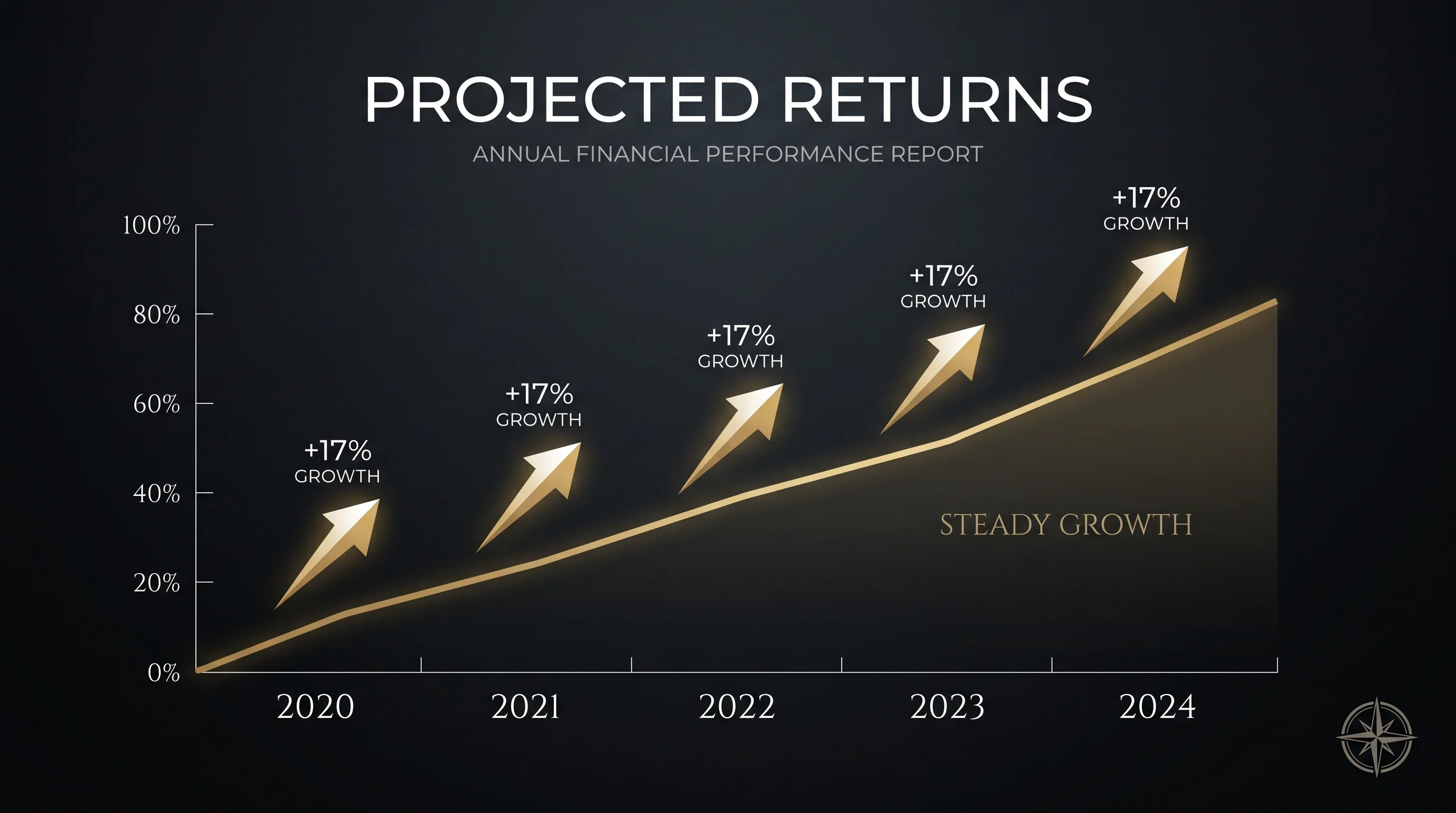
The regulatory community’s concern about this trajectory is direct. In the words of Tres York of the AGA: “The data is clear. Consumers see through the facade of ‘sweepstakes’ casinos and name it for what it is: gambling.” The 17% annual ARPU growth, combined with the weekly purchase frequency and the 80% monthly spending rate, describes a population not casually browsing a promotional sweepstakes but deeply engaged in what they perceive as a gambling activity — without the consumer protections that licensed gambling requires.
From a compliance analysis standpoint, the ARPU figure also tells you something about how operators think about AMOE participants. A player who enters through the free channel and stays engaged for months — even without purchasing — is worth something. The Gaming Innovation Group estimated player lifetime value at $1,000 over two years even accounting for the largely free-play cohort. That’s why free-entry mechanisms are marketed so aggressively: the acquisition cost of an AMOE participant is essentially postage plus processing labor, and the eventual LTV potential justifies that investment many times over. For more on the market dynamics shaping these platforms, the industry market size analysis covers gross revenue, growth rates, and platform count data in detail.
Player Profile Questions
Are sweepstakes casino players more likely to also play at regulated online casinos?
Player overlap data isn’t publicly available at a granular level, but behavioral research suggests meaningful overlap in states where regulated iGaming exists alongside sweepstakes platforms. The 25-to-44 demographic that dominates sweepstakes casino usage is the same cohort most likely to engage with regulated online gaming where it’s available. Whether sweepstakes participation leads to regulated gambling adoption, or the reverse, is a contested question — but the AGA’s position is that sweepstakes casinos compete directly with licensed operators for the same player attention and spending.
What percentage of sweepstakes casino players use AMOE as their primary way to access the games?
No publicly available data gives a precise AMOE-as-primary-method figure. What we know is that 88% of users never make a purchase, which means their entire SC balance must come from free sources — AMOE, daily logins, promotions, and gameplay winnings. Among that 88%, AMOE is typically the most consistent and reliable source for platforms that offer it, making it likely the plurality primary method for non-purchasing users. Players who rely exclusively on AMOE would receive between 1 and 5 SC per request at most platforms, providing a modest but consistent SC stream for gameplay.
Prepared by the Alternate Method of Entry Sweepstakes editorial staff.