Sweepstakes Casino Bans US: State Law and Legal Tracker 2026
 Available in US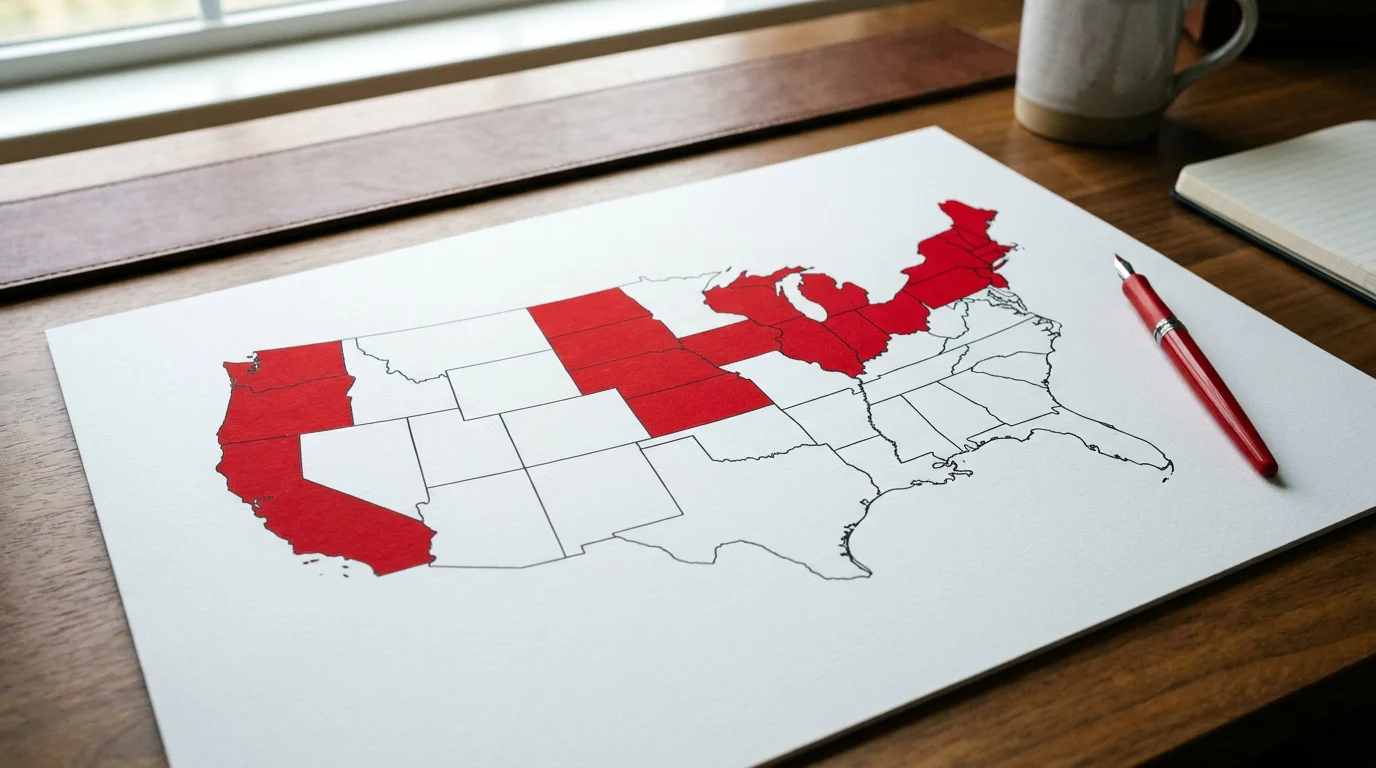
Nothing in the nine years I’ve spent analyzing sweepstakes compliance compares to what happened in 2025. The industry went from operating with minimal regulatory challenge in most of the country to facing simultaneous enforcement actions, new legislation, and over 100 class-action lawsuits within roughly eighteen months. If you’re trying to understand why your AMOE options have narrowed, why certain operators have exited certain states, or why the platforms you used last year may have changed their terms significantly — this is the context you need.
States Enforcing Bans and Official Legal Restrictions
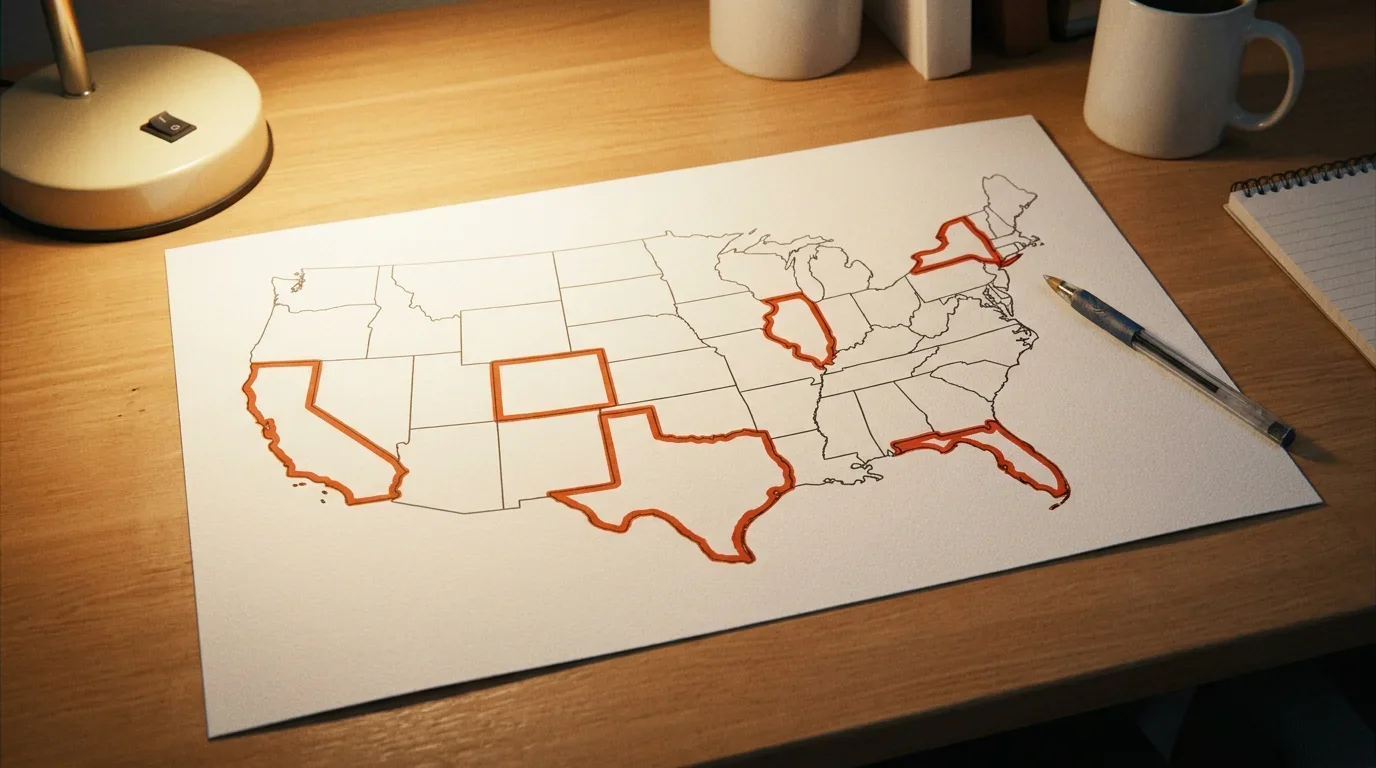
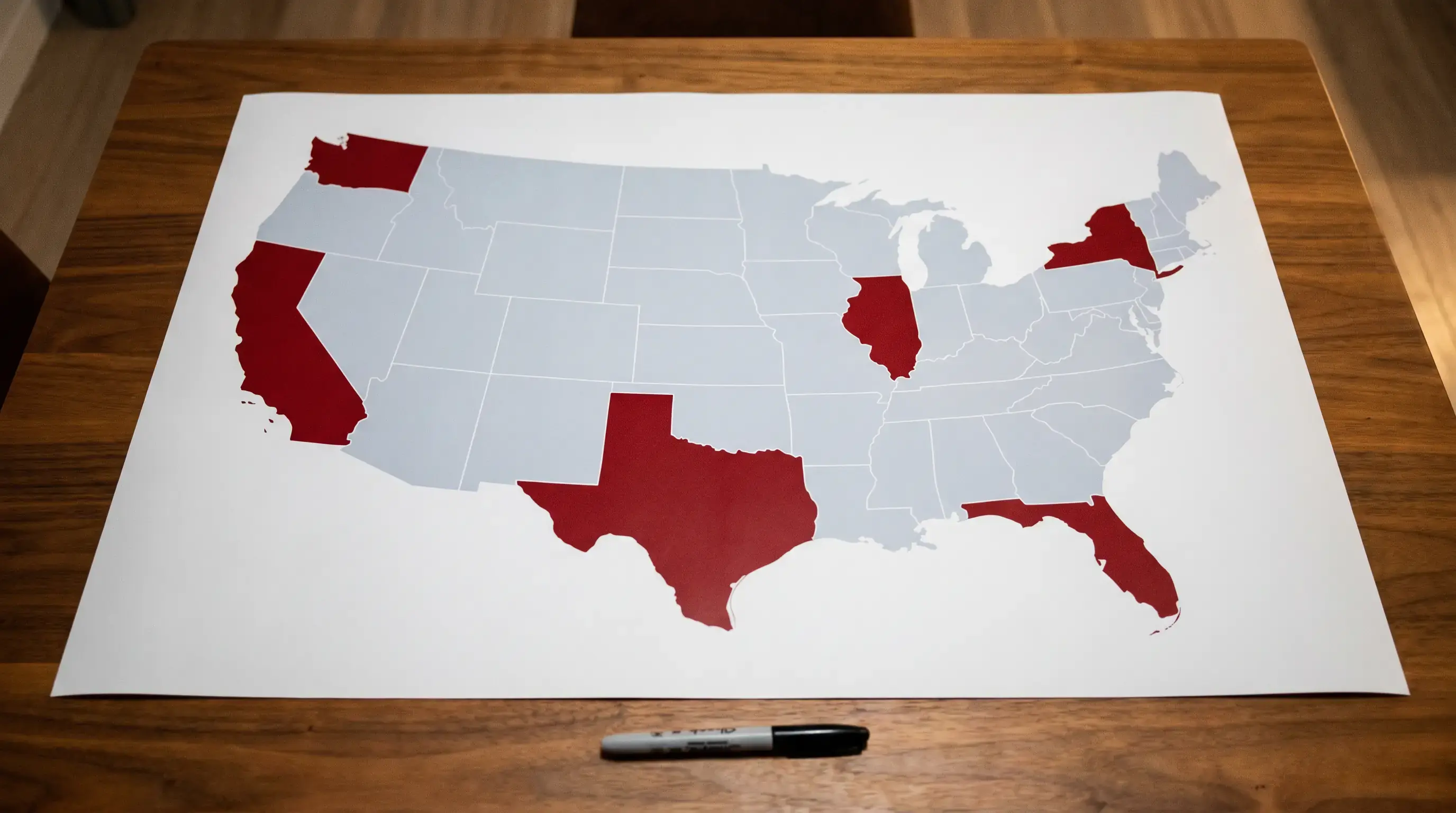
Six states moved decisively against sweepstakes casino operations in 2025: California, New York, Montana, Connecticut, New Jersey, and Nevada. The legal mechanisms varied — some states passed new legislation explicitly targeting the dual-currency sweepstakes model; others used existing gambling statutes and the weight of attorney general enforcement to force operator exits. The practical outcome for players in these states was the same: access to sweepstakes casino platforms was either blocked or significantly constrained.
California’s action was particularly significant given the state’s market weight. California accounted for 17.3% of all U.S. sweepstakes casino sales in 2025 — approximately $2.42 billion out of the national total. Closing the California market represented the largest single geographic revenue loss in the industry’s history. The state’s approach combined legislative action with enforcement pressure that made continued operation financially and legally untenable for most operators.
Nevada’s position might seem counterintuitive — Nevada is, after all, the center of licensed gambling in the United States. But that’s precisely why the sweepstakes model was untenable there. Nevada’s existing gaming regulatory framework is among the most comprehensive in the world, and operating a product that mimics casino gameplay without a Nevada Gaming Control Board license was not something the state was willing to tolerate once the industry reached scale. The same logic applied in New Jersey, which has one of the most mature regulated iGaming markets in the country.

Montana and Connecticut took different legislative paths but arrived at similar outcomes: statutes that classified the dual-currency sweepstakes model as a form of gambling that required state licensing, which effectively prohibited most operators from continuing without a compliance infrastructure they hadn’t built. Maryland, though not among the six states that passed formal legislation, forced more than 20 operators to exit through enforcement actions by the Maryland Lottery and Gaming Control Commission.
Attorney General Actions: New York, Tennessee, and Beyond
Formal legislation was one pathway to restricting sweepstakes casinos; attorney general enforcement was another — and in some states, it moved faster than the legislative process.
New York’s attorney general, Letitia James, sent cease-and-desist letters to 26 sweepstakes operators in 2025. The letters cited the state’s existing gambling prohibitions and argued that the sweepstakes model, regardless of its AMOE structure, constituted illegal gambling under New York law. New York had already generated $762 million in sweepstakes purchases in 2024 — about 7.3% of the national market — making it one of the highest-value enforcement targets outside California.
Tennessee’s attorney general sent cease-and-desist letters to nearly 40 sweepstakes operators in December 2025 alone — the largest single-state enforcement action in terms of operator count. Tennessee hadn’t been among the most active sweepstakes markets, but the AG’s office treated the compliance question as applying across the board: if the model is potentially problematic, the response addresses the entire industry operating in the state rather than just the largest players.
What I find most legally significant about these AG actions is that they went beyond AMOE compliance questions and attacked the model itself. The argument, as Shawn Fluharty of the National Council of Legislators from Gaming States put it directly, is that “the redeemability in real money is the real problem” — regardless of how operators structure their free entry methods. AMOE may keep the promotional structure technically compliant under sweepstakes law, but when regulators start from the premise that the product is functionally gambling, the AMOE’s role as a legal shield becomes contested terrain.
Class Action Lawsuits: 100+ Suits and What Players Are Claiming
By early 2026, the number of class-action lawsuits filed against sweepstakes casino operators had exceeded 100. That’s a remarkable litigation surge for an industry that had operated with minimal legal challenge for most of its existence. The plaintiff theories vary, but they cluster around a few central claims.
The most common theory is that the sweepstakes casino model is functionally gambling rather than a lawful promotion, and that players who lost money — by purchasing Gold Coin packages that yielded less SC prize value than they spent — were effectively gambling participants with consumer protection claims. Some suits allege deceptive marketing, specifically around how the “free” entry and “no purchase necessary” language was presented relative to the actual gameplay experience. Others focus on the adequacy of responsible gaming protections, or the lack thereof, for users who exhibit compulsive spending patterns.
A separate category of lawsuit targets operators who restricted or failed to process AMOE submissions — plaintiffs arguing that if the free entry mechanism doesn’t genuinely work, the entire promotional framework is fraudulent. These cases are more directly relevant to AMOE participants, since they address the integrity of the free entry process rather than the nature of the gameplay itself.
The litigation volume doesn’t tell you which suits will succeed — most class actions in consumer cases settle or get dismissed — but it does tell you something about the risk environment these operators are navigating. The compliance implications for AMOE programs are clear: an operator with a documented pattern of AMOE rejection or non-processing has meaningful litigation exposure beyond just the AG enforcement risk.
Pending Legislation in 2026
The legislative calendar for 2026 includes activity in states that didn’t act in 2025 but are watching the enforcement landscape carefully. Several state legislatures that introduced bills in 2025 without passing them have carried those measures into 2026 legislative sessions. The iGaming expansion movement — licensed operators seeking to expand regulated real-money gambling to new states — has a parallel interest in restricting the sweepstakes model, since the two compete for the same player base.
The industry’s response has been to push for a federal regulatory framework that would preempt inconsistent state-by-state treatment. The Social Gaming Leadership Alliance has been explicit about this preference — Jeff Duncan, the organization’s executive director and a former congressman, has stated publicly that the industry wants to be regulated and wants to pay taxes. Whether federal legislation materializes in 2026 or beyond remains to be seen, but the trajectory of state-level activity makes some form of formal regulatory structure increasingly likely. For a player-focused look at what state restrictions mean for AMOE access specifically, the state-by-state AMOE access guide covers the practical implications in detail.
State Bans and AG Actions: Quick Reference
Is there any federal legislation pending that would regulate sweepstakes casinos nationally?
As of mid-2026, no federal legislation has been enacted, but the conversation is active. The Social Gaming Leadership Alliance has been the most vocal industry voice pushing for a federal regulatory framework, arguing that a national standard would be preferable to the current patchwork of state-by-state restrictions. Some federal legislators have expressed interest in the topic, partly because the jurisdictional overlap between state gambling law and interstate commerce creates federal questions. The timeline for any federal action remains uncertain.
Have any banned operators successfully challenged state bans in court?
As of mid-2026, no sweepstakes operator has successfully overturned a state ban through litigation. Some operators have challenged enforcement actions procedurally — seeking injunctions to pause enforcement while litigation proceeds — with limited success. The legal argument that sweepstakes casinos are not gambling under state law has been undermined by the scale and functional similarity of the product to traditional casino gameplay, which makes it difficult to sustain the sweepstakes framing in the face of aggressive judicial scrutiny.
Which states have explicitly confirmed that sweepstakes casinos with AMOE are legal?
A handful of states have not taken any adverse action and have not introduced restrictive legislation, which operators sometimes interpret as implicit acceptance. However, the absence of enforcement action isn’t the same as explicit legal confirmation. No state has issued a formal legal opinion confirming that the dual-currency sweepstakes model is permanently lawful under its gambling statutes. Players in states without active bans should understand that their access remains contingent on continued operator compliance and continued regulatory tolerance, both of which can change.
Written by the editors at Alternate Method of Entry Sweepstakes.