
AMOE Casino Terms and Conditions US: Fine Print Rules
 Available in US
I’ve read more sweepstakes terms documents than any reasonable person should. They’re not uniformly well-drafted, and many players navigate AMOE programs for months without ever looking at the document that governs their participation. That’s a mistake with practical consequences. The terms define what the operator has committed to, what they’ve reserved the right to change, and what recourse you have — or don’t have — when something goes wrong. Let me walk through the clauses that matter.
Crucial AMOE Clauses in Sweepstakes Operator Contracts
The sweepstakes legal requirement that drives AMOE — the no-purchase-necessary obligation — means operators must make the free entry pathway available, but U.S. sweepstakes law gives them considerable latitude in how they structure the specifics. The terms document is where that latitude is exercised. Most compliant operator terms include the following AMOE-related provisions in some form.
The AMOE award amount. Most operators specify the SC amount per request in the Sweepstakes Rules document. Phrases like “eligible participants will receive X Sweeps Coins per qualifying request” or “one request per day, awarding Y SC per approved entry” set the per-request benefit. The one-per-day standard is so consistent across the industry that any operator deviating significantly — either by restricting to one per week or by advertising unusually high per-request amounts — warrants closer scrutiny of the full terms.

Eligibility requirements. AMOE participation typically requires a valid, verified account in good standing. Terms usually specify that requests from accounts under review, suspended, or terminated will not be honored. Some operators also specify that AMOE is unavailable in states where their platform has restricted operations — which, after the 2025 enforcement actions, means a growing list of exclusions depending on which operator you’re dealing with.
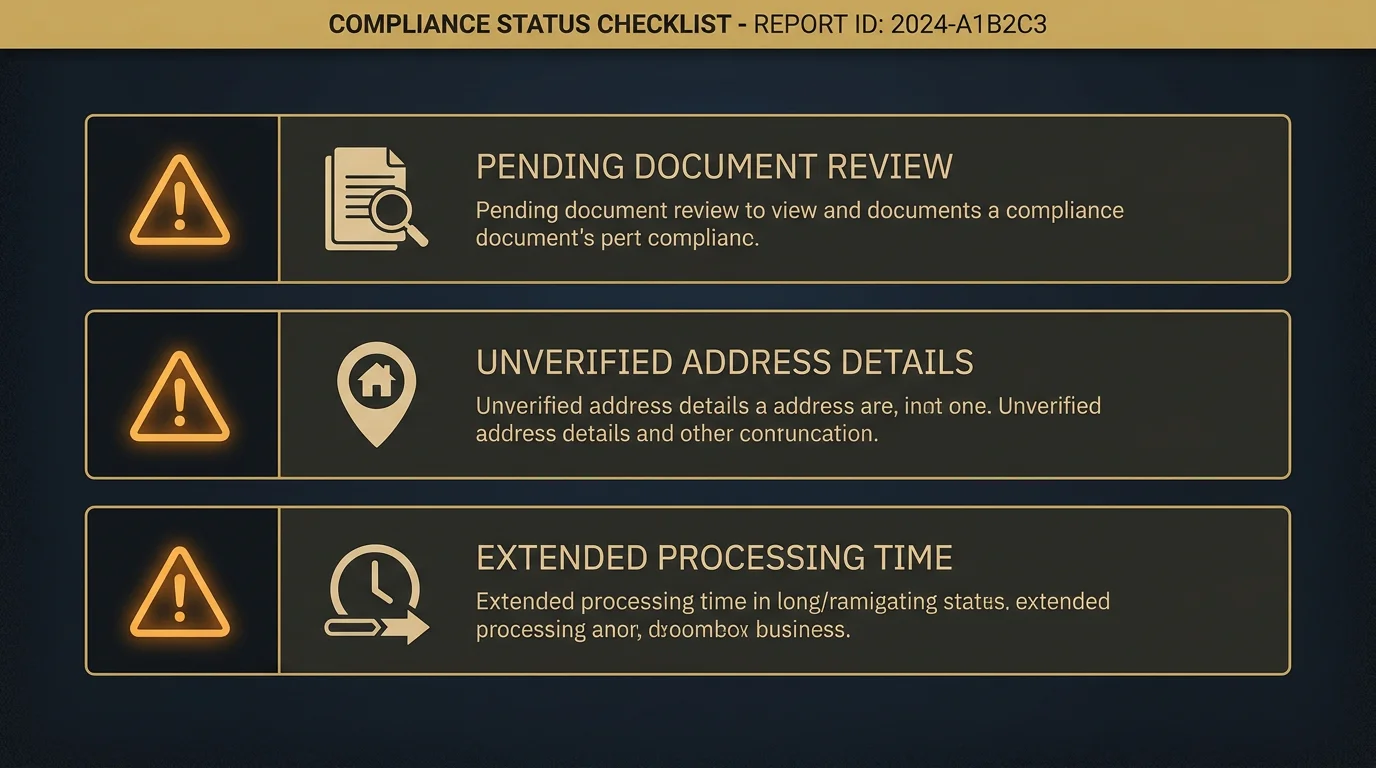
Processing timeline. Most terms include a quoted or approximate processing window. The specificity of this language varies: some operators commit to a specific range like seven to fourteen business days; others use looser language that gives them broader operational flexibility. The presence and specificity of a processing commitment is itself a quality signal about the operator’s AMOE program.
The no-guarantee language. Nearly every operator includes a clause stating that submission of an AMOE request does not guarantee crediting of SC. This language protects the operator from liability for requests that are lost in transit, rejected for format errors, or arrive at an outdated address. Paired with the “one per day” standard, this clause means that the maximum you can receive through AMOE is a function of how many successful submissions you can maintain rather than just how many you send.
Can an Operator Cancel or Change the AMOE Program?
This is the question players ask less often than they should — usually because AMOE has been working and they haven’t had reason to consider what happens if it stops. The short answer is yes, under most terms, operators reserve the right to modify or discontinue the AMOE program with advance notice. The longer answer involves understanding what “advance notice” actually means in practice and what it commits the operator to.
Most sweepstakes terms include what’s called a “reservation of rights” clause — language stating that the operator may modify the Sweepstakes Rules at any time, including changes to AMOE award amounts, eligibility requirements, processing addresses, and program structure. Some include a grace period: changes become effective after a specified number of days’ notice, typically seven to thirty days. Others give themselves the right to modify immediately with notification via site posting or email to registered users.
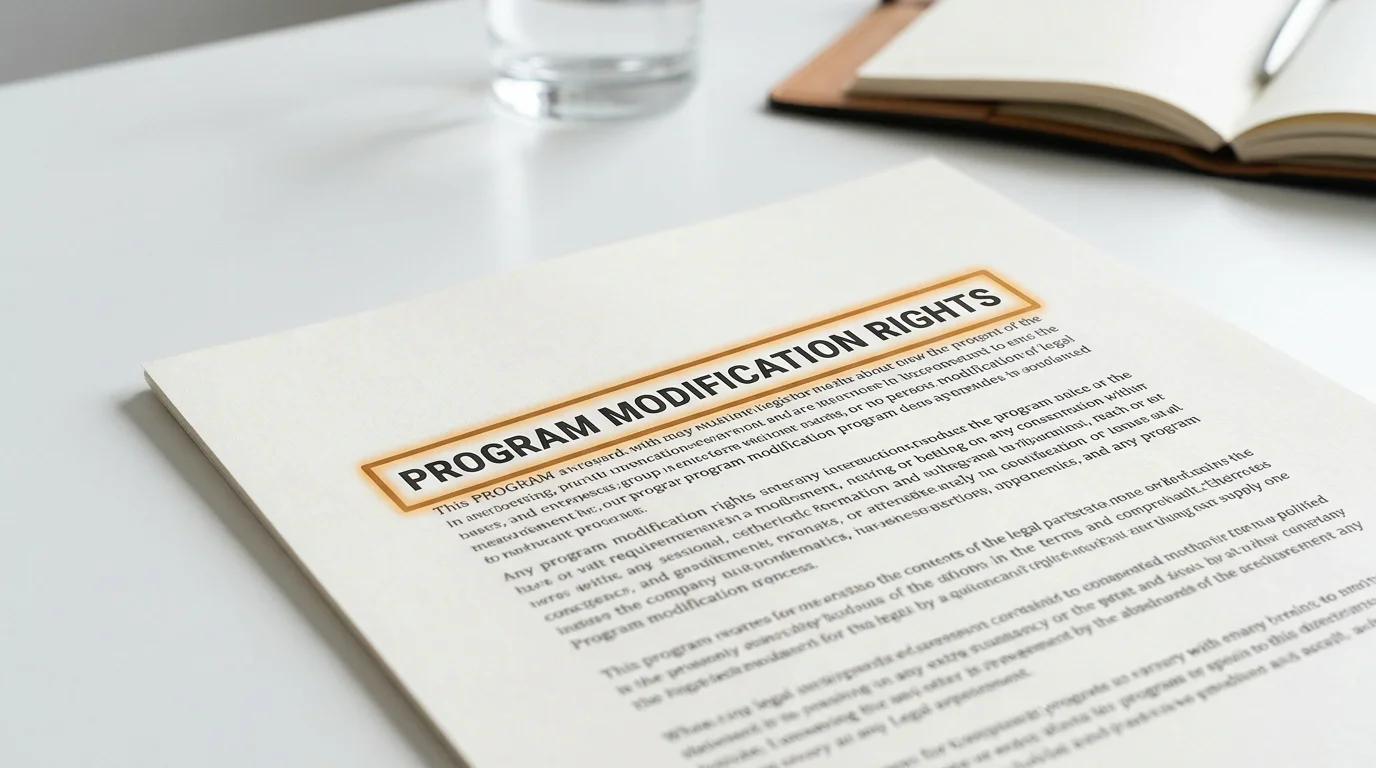
The legal tension here is real. A sweepstakes casino that discontinues AMOE entirely — without providing any alternative free entry pathway — would violate the NPN requirement that keeps the platform legally operational. So operators can’t simply turn AMOE off without simultaneously restructuring or shutting down the sweepstakes elements of their platform. What they can do is change the terms of AMOE: reduce the SC per request, change the submission address, restrict submission frequency, or add verification requirements.
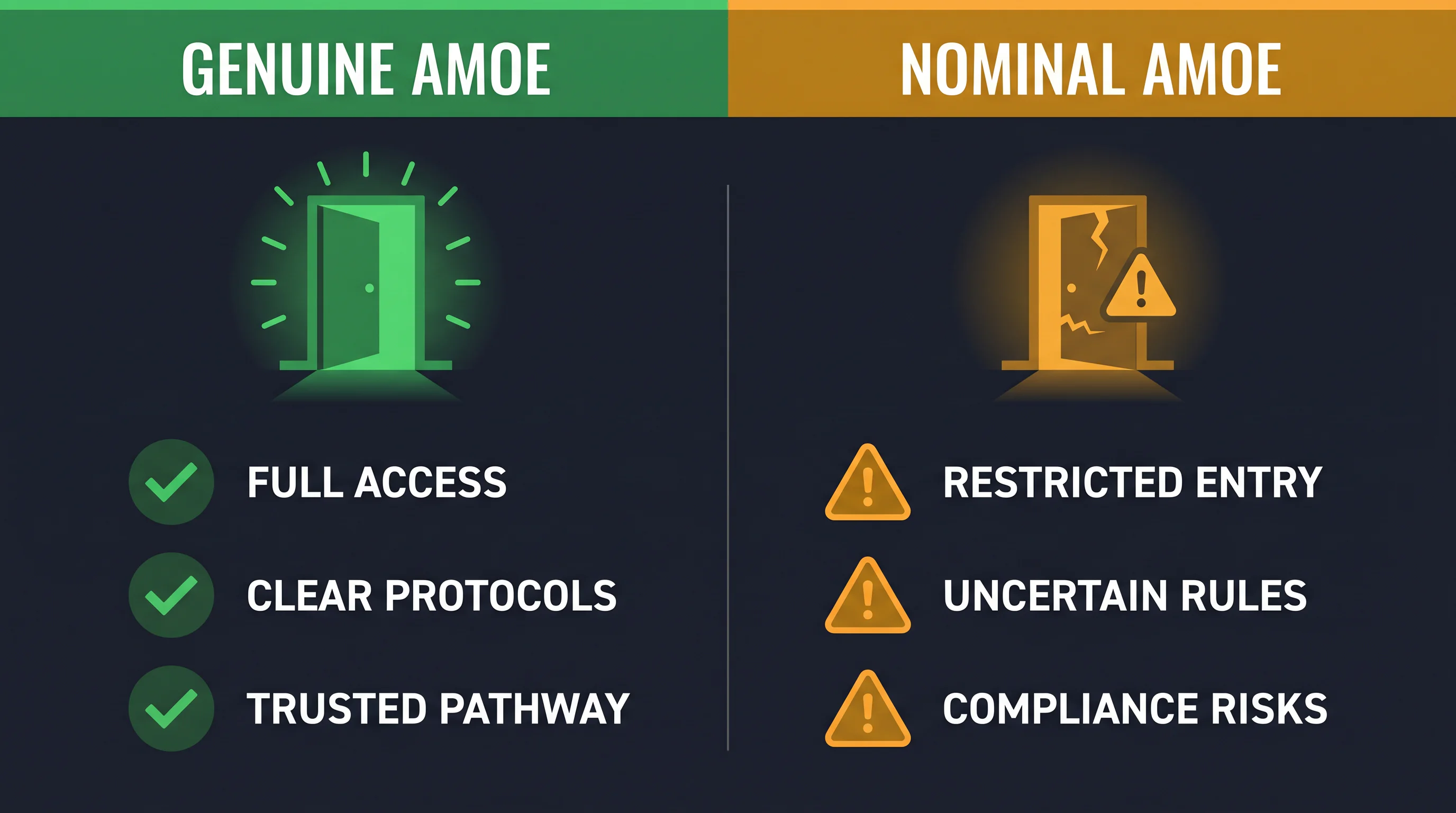
From a compliance standpoint, changes that make AMOE materially more difficult to use — without providing a substantive alternative — raise the same questions as a nominal AMOE: is the free entry pathway still genuinely accessible, or is it being designed to fail? The gap between legal compliance and genuine compliance is exactly where the most interesting enforcement questions in 2025 were being asked.
Account Eligibility, Verification, and Disqualification
Who can use AMOE isn’t always as straightforward as “anyone with an account.” Operator terms typically include a set of eligibility conditions that can result in AMOE requests being rejected even when they’re formally correct in every other respect.
Age requirements are universal: 18 years minimum in most jurisdictions, 19 in some, 21 in others. The specific requirement in a player’s state of residence governs, not the operator’s default setting. Players who provide false age information during registration risk account termination, forfeiture of any accumulated SC balance, and disqualification from AMOE participation.
Account status matters. An account that’s been flagged for suspected multiple-account violations, bonus abuse, or terms violations may have AMOE processing suspended while the account is under review. This can happen invisibly — the player submits requests that appear to be in queue but are never processed because the account is flagged. If your AMOE credits suddenly stop landing after months of reliable processing, an account review is one of the scenarios worth inquiring about with support.
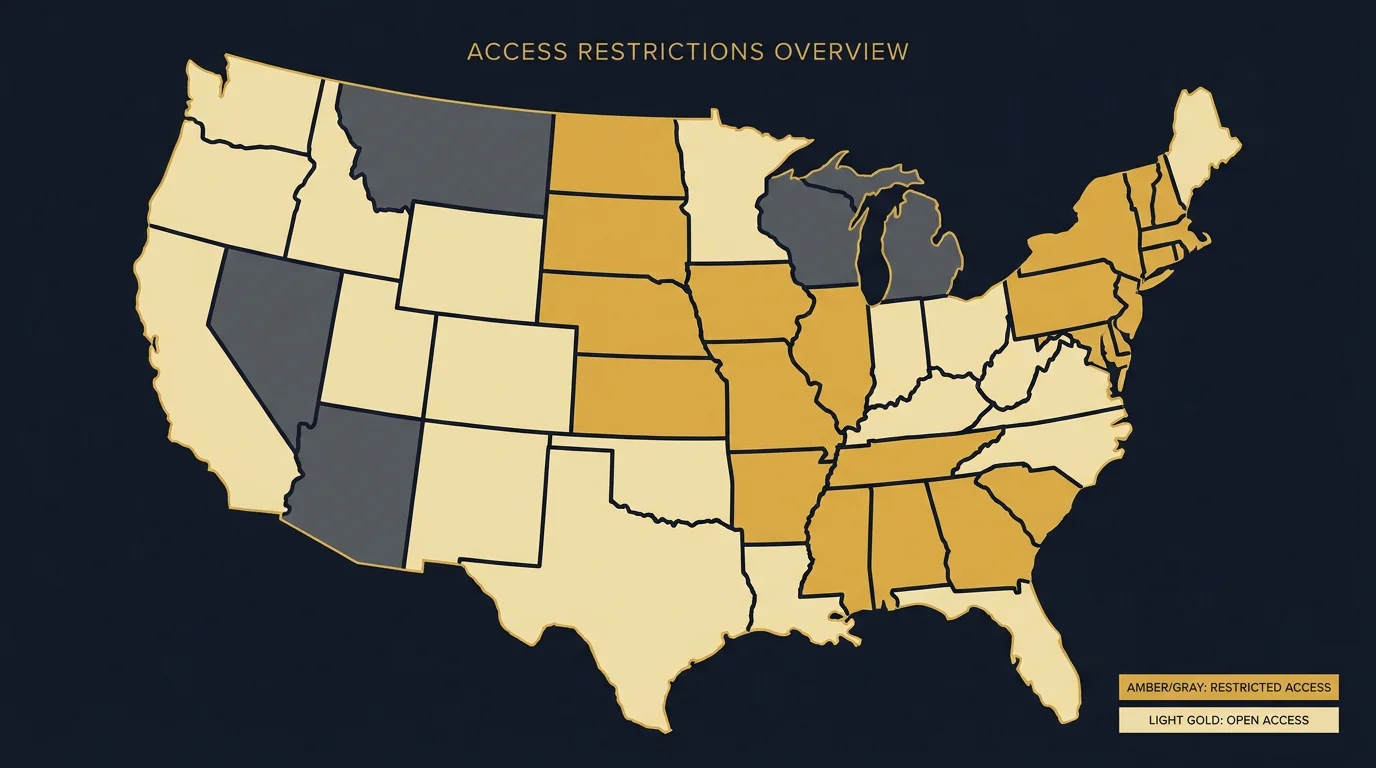
Geographic eligibility has become increasingly important post-2025. Players in restricted states who maintained accounts before the restrictions took effect may find their AMOE requests no longer being honored even if their accounts remain technically active. The account might not be formally terminated, but the operator’s processing system may exclude requests from restricted addresses.
T&C Red Flags That Signal AMOE Is Not Truly Accessible
After reading terms documents across the industry for years, I’ve developed a short list of language patterns that I treat as warning signs about the quality of an operator’s AMOE program.
Vague or missing processing timeline language is the first flag. An operator that says only “we will endeavor to process requests in a reasonable time” without specifying a timeline has given itself maximum operational flexibility at the expense of player certainty. This isn’t necessarily bad, but it’s different from an operator that commits to seven-to-fourteen business days and can be held to that standard.
Excessive discretion language around eligibility is a second flag. Phrases like “eligibility for AMOE is determined at the operator’s sole discretion” or “the operator reserves the right to reject any AMOE request without cause or notice” go beyond normal operational flexibility into territory that could make the AMOE functionally unreliable. If the operator can reject requests without cause, the free entry pathway isn’t genuinely guaranteed.
The complete absence of a specific AMOE address in the terms is a third flag — particularly for operators who require players to contact support to obtain the mailing address. This creates friction that undermines the “freely available” requirement for AMOE. The processing address should be clearly stated in the public Sweepstakes Rules document without any prerequisite action from the player.
For the specific behaviors that indicate an operator’s AMOE program may be actively working against players rather than merely imperfectly structured, the guide to how AMOE fits the legal model covers what genuine versus nominal compliance looks like from a regulatory perspective.
AMOE Terms and Conditions: Your Questions
Is an operator legally required to notify users before changing AMOE coin amounts or program rules?
There is no universal federal requirement specifying a mandatory notice period before changing sweepstakes promotion terms. What exists is general FTC guidance that material changes to promotional terms should be communicated clearly. Many operators include voluntary notice provisions in their own terms — for example, committing to email notification or site posting seven to thirty days before changes take effect. Whether the specific change you experience required prior notice depends on that operator’s own terms. If you believe a material change was made without the notice period specified in the operator’s terms, that’s a legitimate support inquiry and potentially the basis for a consumer complaint to your state AG.
If a sweepstakes casino goes out of business, what happens to unredeemed Sweeps Coins?
This is one of the bleaker questions in sweepstakes terms analysis, and the honest answer is that unredeemed SC are typically forfeited when an operator ceases operations. Sweeps Coins are promotional credits, not deposits held in trust or regulated custodial accounts. They have no independent legal status that would give you a claim in bankruptcy proceedings or an orderly wind-down. Some operators have provided conversion offers or redemption windows before shutting down — but this is a goodwill gesture, not a legal requirement. The risk of holding a large unredeemed SC balance at any single operator is real, particularly in the current regulatory environment.
Written by the editors at Alternate Method of Entry Sweepstakes.