AMOE Postcard Size Rules US Mail-In Dimensions
 Available in US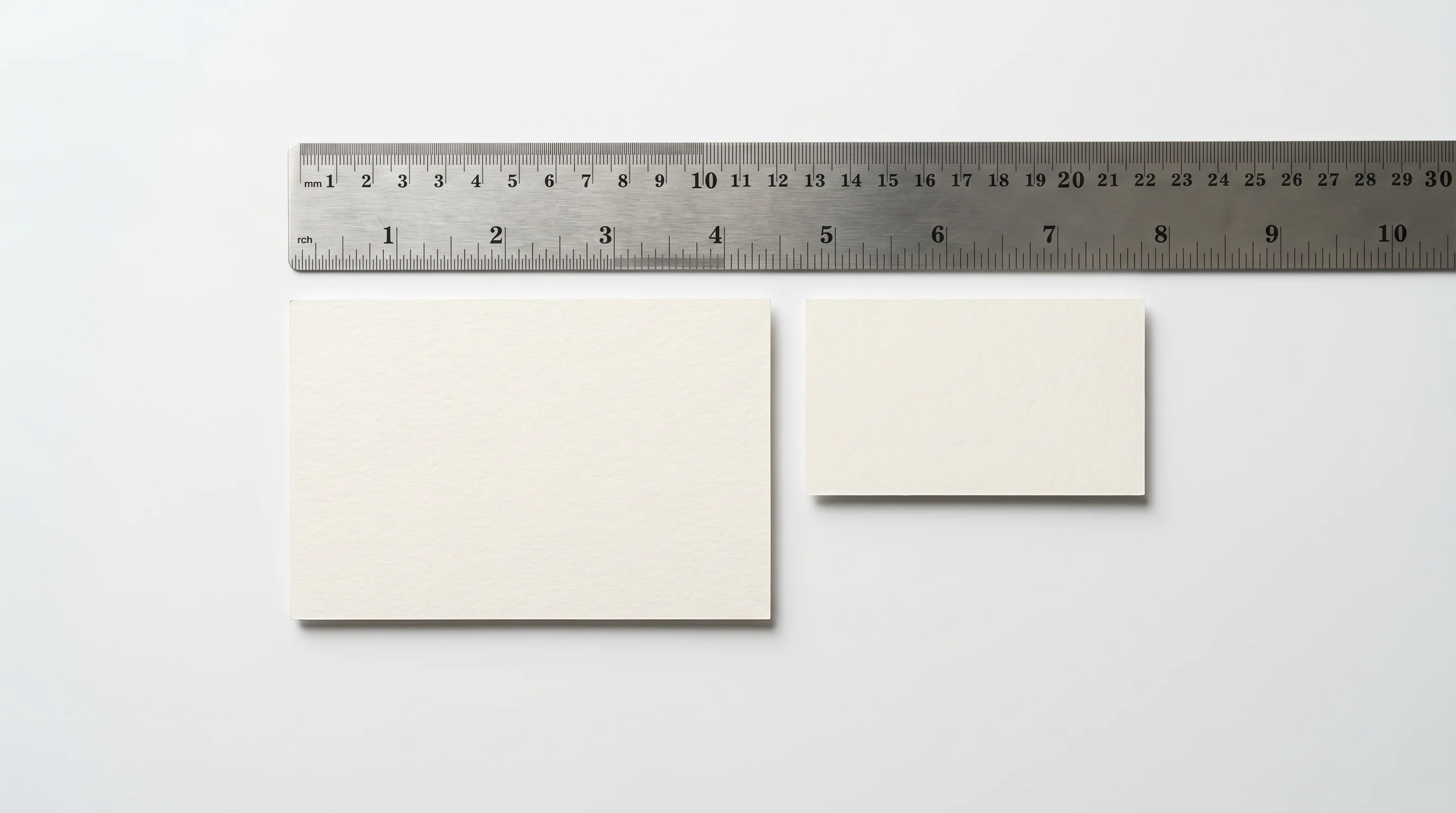
Early in my compliance work, I had a client ask me why their AMOE requests were being returned by the post office before they even reached the operator. The answer was embarrassingly simple: they were using index cards that measured 3 by 5 inches — a quarter inch short of the USPS minimum postcard length. Every card bounced. This is the kind of detail that sounds trivial until it costs you weeks of processing time and a stack of unused stamps.
Format errors are the second-most common reason AMOE requests fail to be credited — not rejection by the operator, but failure at the postal stage before the card ever arrives. Getting the physical specifications right is the unglamorous foundation everything else rests on.
USPS Standards for Postcard Weight and Measurements
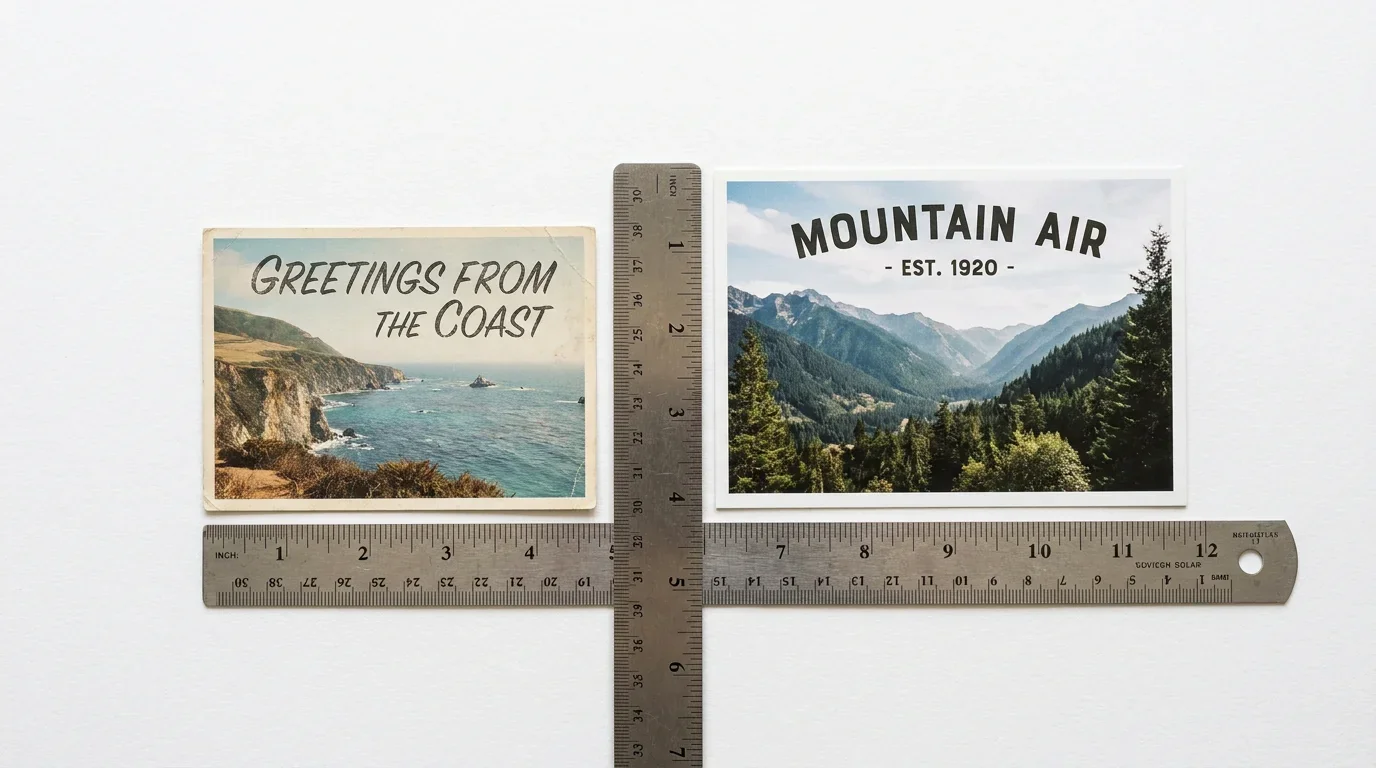
The United States Postal Service defines a postcard as a rectangular mailpiece that meets specific dimensional requirements to qualify for first-class postcard rates. Understanding these constraints matters because operators design their AMOE instructions around standard postal formats — and if your card doesn’t meet postal specs, it either gets returned or surcharged, which introduces delays and sometimes outright non-delivery.
The USPS minimum postcard size is 3.5 inches tall by 5 inches long. The maximum postcard size is 4.25 inches tall by 6 inches long. Cards thicker than 0.016 inches will also clear postal requirements. Anything outside these dimensions is treated as a large envelope — known officially as a “flat” — which carries different postage and routing. At the maximum postcard dimensions, you have 4.25 by 6 inches of working space, which is more than enough to include all required AMOE information clearly.
Weight matters too. A standard postcard must weigh no more than one ounce to qualify for postcard postage rates. For a single card with normal handwriting, this is not a practical concern — but if you’re using heavier cardstock or adding anything to the surface (stickers, tape over writing, etc.), weigh it before mailing. Overweight cards routed as letters instead of postcards can get delayed or returned if they lack a standard envelope format.
The most common mistake I see is players picking up whatever card or notecard they have on hand without checking dimensions. A standard 4 by 6 index card meets USPS minimums and is widely accepted. A standard greeting card blank at 5.5 by 4.25 inches also works. What doesn’t work: anything smaller than 3.5 by 5 inches, or anything so large it crosses into flat/envelope territory above 6.125 by 11.5 inches.
What to Write on Each Side of the Postcard
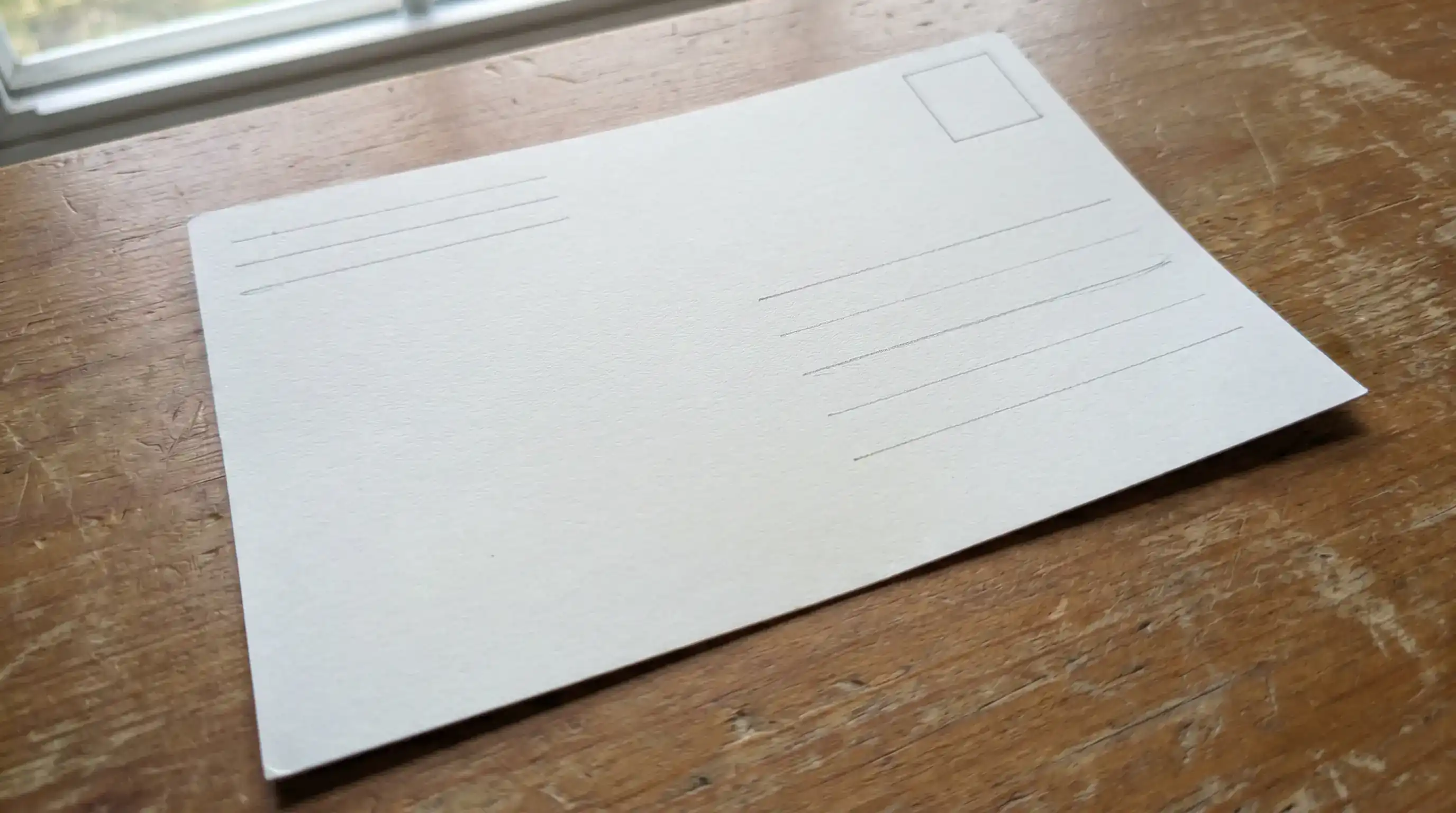
The physical layout of a properly formatted AMOE postcard follows a specific logic — and most players get the address side right but make avoidable errors on the message side. Let me walk through both.
The address side is the back of the postcard in USPS convention, the side you write the delivery address on. The right portion of this side holds the operator’s mailing address in the center and your return address in the upper left. The left portion is reserved for any message content. Leave a clear margin of at least 0.5 inches on all edges on the address side — this is where postal processing equipment reads barcodes and applies routing marks.
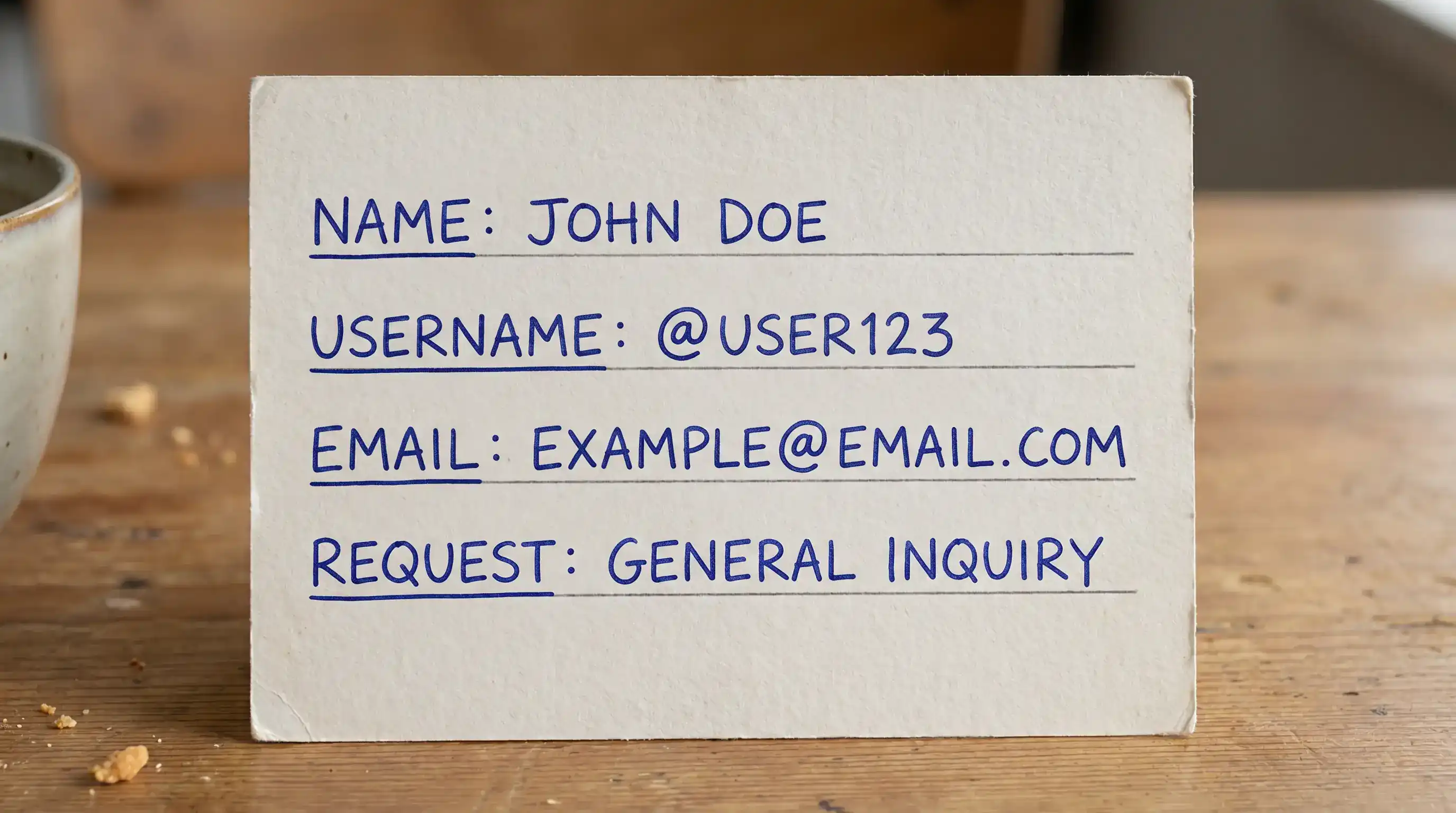
The message side — the front of the postcard — is where most operators want your account information. The one AMOE request per day standard applies regardless of how many fields you put here, but you need to include at minimum: your full name as registered with the operator, your account username, your registered email address, and the specific request phrase the operator requires. Many operators use a standard phrase like “Please enter me in the sweepstakes” or similar — check the current terms for the exact wording, because some platforms require it verbatim.
Write your username on its own line, clearly separated from your name. These two pieces of information are what the fulfillment team uses for account matching, and ambiguity between them is a common source of processing errors. If the operator also requires a player ID number or account creation date, include those on separate labeled lines as well.
One practical tip: do not fold or bend the postcard before mailing. Even flexible cardstock can develop fold marks that make handwriting hard to read after transit. Mail flat whenever possible, which a standard postcard naturally accommodates.
Using an Envelope Instead: When It Is Acceptable
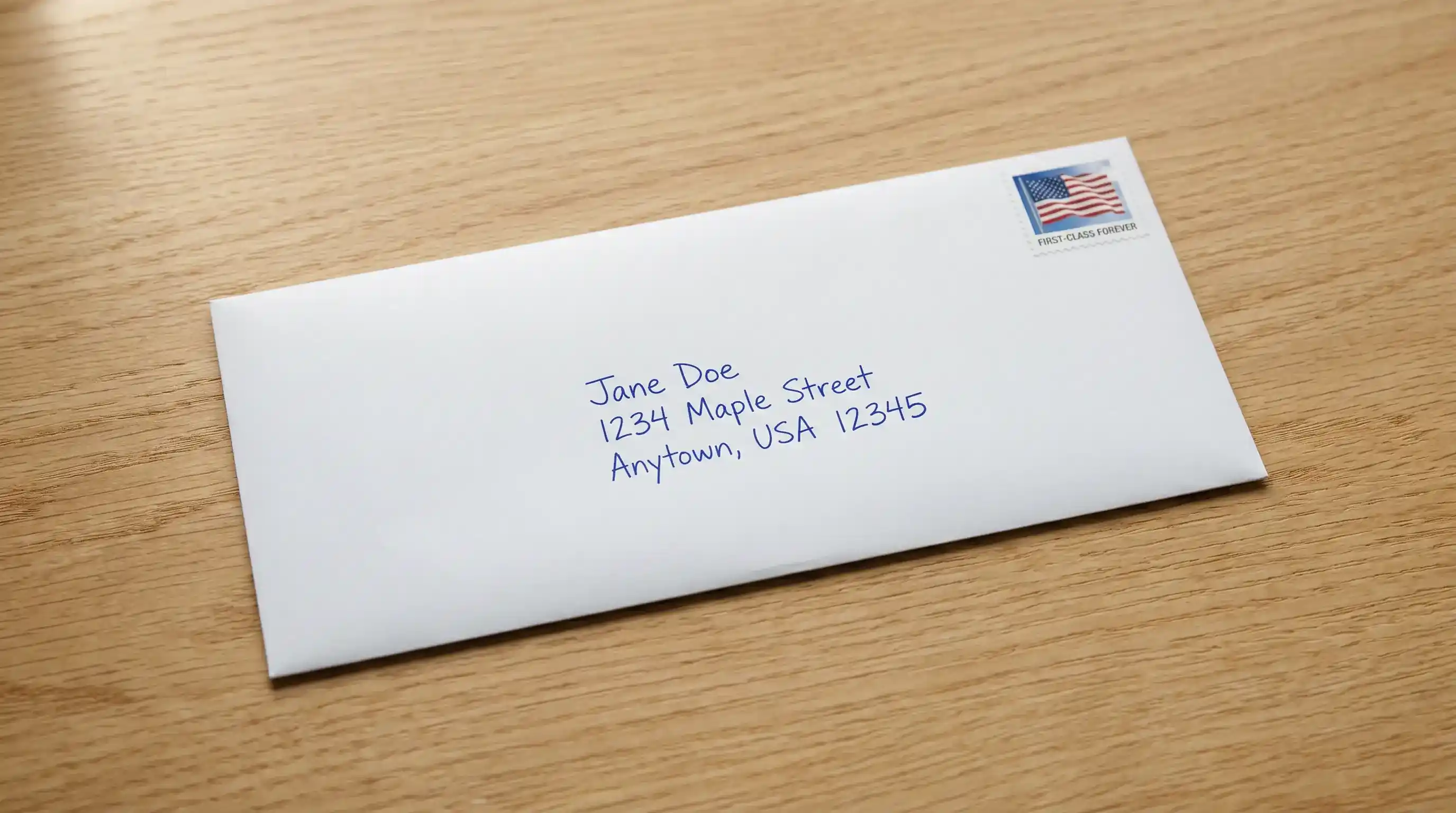
The envelope-versus-postcard question comes up regularly, and the answer depends entirely on what the operator’s current terms say. There is no universal rule across the sweepstakes casino industry — different platforms have different requirements, and some have changed their policies over time.
When an operator permits envelopes, the information requirements stay the same: your name, username, registered email, required request phrase, and any other identified fields. The physical format changes, but the content does not. Use a standard #10 business envelope or a smaller personal-size envelope — both work fine for first-class mail. Include a standard 8.5 by 11 sheet of paper folded in thirds, or write your information directly on a card placed inside the envelope.
Some operators who originally required postcard-only submissions have moved to accepting either format, particularly as they expanded their processing operations. Others still specify postcard only, usually because postcard submissions can be processed at higher volume with less manual handling. If the terms say “postcard,” use a postcard — even if an envelope with the same information seems equivalent to you, the operator’s processing system may not treat it that way.
One thing to keep in mind: the processing window for AMOE requests — standard seven to fourteen business days, with documented delays extending to six or eight weeks — applies regardless of format. Switching from postcard to envelope doesn’t speed up processing. The constraint is the operator’s fulfillment capacity, not your submission format.
Paper, Ink, and Handwriting: Physical Requirements

The physical medium of an AMOE request matters more than most players expect, and I’ll be direct about why: these requests are processed by people, not scanners. A card that’s hard to read in a stack of two hundred other cards is a card that’s likely to be set aside and forgotten.
Use a ballpoint pen. Blue or black ink. Not a felt-tip marker that might bleed through thin cardstock and obscure text on the other side. Not a pencil, which can smear in transit. A standard ballpoint pen produces consistent lines that photograph clearly and hold up under handling.
Print your text rather than writing in cursive, unless your cursive is exceptionally clear. The fulfillment team needs to read your username and email address accurately — two categories of information where a single misread character creates a match failure. Block capital letters for your username and email address specifically eliminate this ambiguity. You can use standard mixed-case printing for your name and the request phrase, but keep account identifiers in clear, unambiguous letterforms.
On the question of handwritten versus printed labels or typed text: most operators require the request to be handwritten. The rationale, from a compliance standpoint, is that handwritten entries provide evidence of individual participation and reduce the likelihood of automated or bulk submission. Printed labels for your return address are typically acceptable since that section appears on the postal address side, but the message content — your name, username, and request phrase — should be handwritten unless the operator explicitly states otherwise.
Postcard Format FAQs
Can I use a printed label for my address on the AMOE postcard, or must everything be handwritten?
Printed return address labels on the postal address side are generally acceptable, since that portion of the card functions the same way as any standard mailing. The message content — your username, registered email, and the request phrase — should be handwritten unless the operator’s current terms explicitly permit printed text. When in doubt, handwrite everything on the message side. This is the safest approach across all operators and is never grounds for rejection.
Is there a minimum size postcard that operators accept for AMOE requests?
The effective minimum is the USPS postcard minimum: 3.5 inches tall by 5 inches long. Cards smaller than this will not be delivered as postcards and may be returned or routed incorrectly. Standard 4 by 6 index cards meet this threshold and are widely available. Some operators specify a preferred format in their terms — if they do, follow that specification. If they do not, any card meeting USPS postcard dimensions will work from a postal standpoint.
Written by the editors at Alternate Method of Entry Sweepstakes.