Sweepstakes Casino Glossary US: Defining AMOE and SC Terms
 Available in US
Nine years in sweepstakes compliance has given me a particular frustration: players who lose out on entries, misunderstand their redemption rights, or miss red flags in operator terms — not because the information isn’t available, but because the terminology creates a barrier. The sweepstakes casino industry uses a specific vocabulary that makes perfect sense once you’ve internalized it and creates genuine confusion until you have. This glossary is the reference I wish existed when I started. It covers every term you’ll encounter in operator documents, news coverage, and regulatory filings, with definitions that actually explain the mechanics rather than just restating the term.
The broader industry generated over $10 billion in gross purchases in 2024 — a remarkable figure for a sector built on promotional sweepstakes mechanics. Understanding the terminology is the foundation of navigating it responsibly.
Table of Contents
- Alternate Method of Entry and Mail-In Definitions
- SC (Sweeps Coins), GC (Gold Coins), Dual-Currency
- NPN, Three-Element Test, Illegal Lottery Test
- Processing Window, Household Rule, Playthrough, Redemption
- Regulatory Terms: Cease-and-Desist, Class Action, State Ban, iGaming
- Sweepstakes Casino Terms: Common Questions
Alternate Method of Entry and Mail-In Definitions
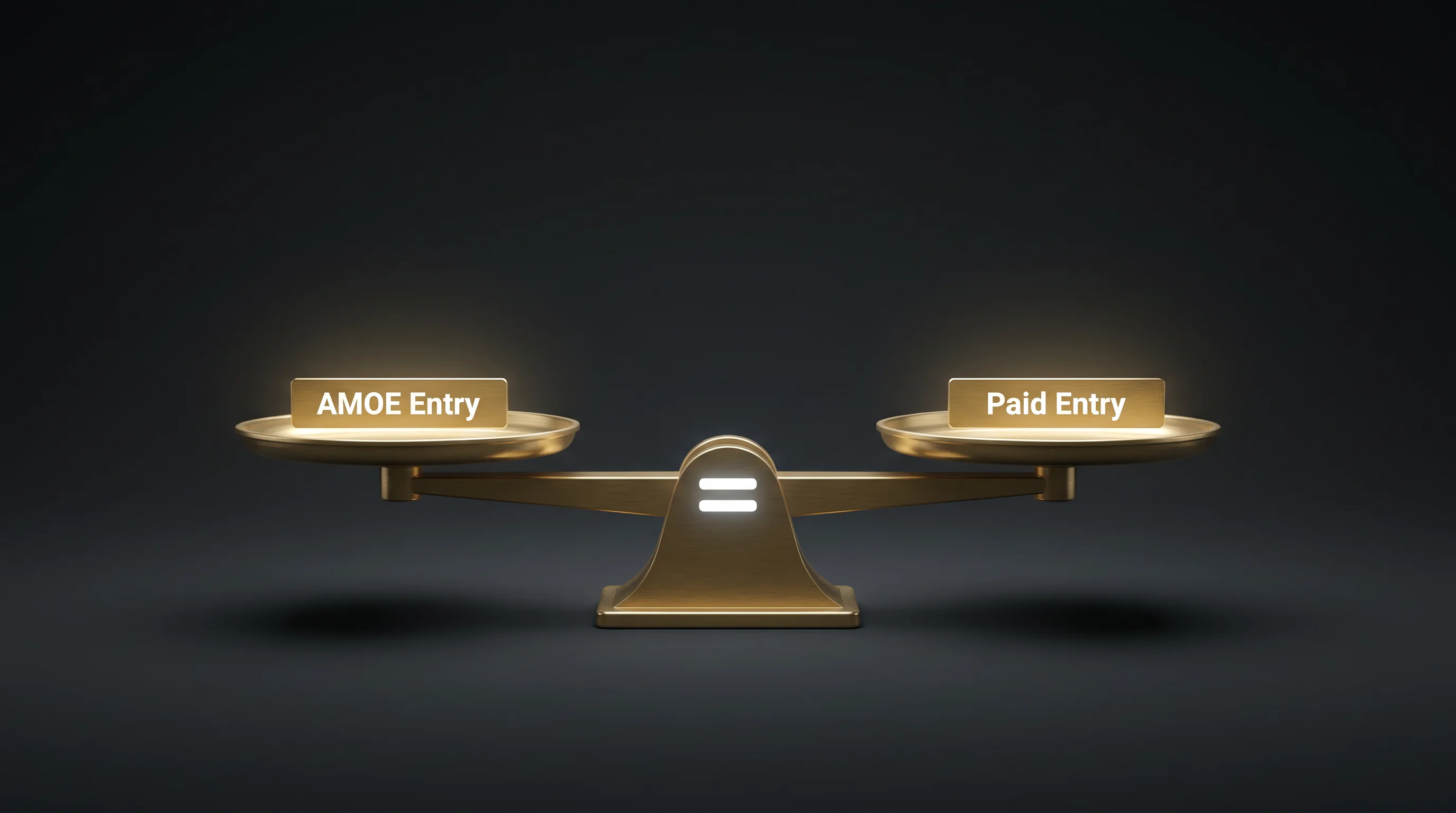
AMOE stands for Alternate Method of Entry, sometimes written as “Alternative Method of Entry.” It refers to the free participation pathway that sweepstakes operators are legally required to provide as an alternative to purchasing the operator’s product (Gold Coins). The existence of a genuine AMOE is what prevents sweepstakes from being classified as illegal lotteries under U.S. law. Without it, consideration (the purchase), chance (the game), and prize (the redemption value) would all be present simultaneously — satisfying the three-element test for an illegal lottery.
In practice at sweepstakes casinos, AMOE most commonly means a mail-in postcard submission, though digital formats (web form, email, in-app) exist at some operators. Each approved AMOE request earns the player a small number of Sweeps Coins — typically one to five SC per request — credited to their account after processing. For the complete mechanics and step-by-step process, the full AMOE guide covers everything from legal foundation to practical submission.
Key AMOE terms you’ll encounter: “AMOE address” (the mailing address where requests are sent), “AMOE processing window” (the time between submission and SC crediting, standard seven to fourteen business days), “household limit” (the maximum number of AMOE submissions per address per day, typically one), and “AMOE award” (the SC amount credited per successful submission).
SC (Sweeps Coins), GC (Gold Coins), Dual-Currency
Sweeps Coins (SC) are the promotional currency that can be redeemed for real cash prizes. They’re the only currency at sweepstakes casinos that has monetary redemption value. SC can be earned through AMOE, daily login bonuses, social media promotions, referral programs, and as winnings from gameplay when playing with SC. The legal designation of SC as sweepstakes promotional entries — rather than gambling stakes — is the mechanism that allows them to be redeemed for cash without requiring a gambling license.
Gold Coins (GC) are the entertainment currency. They’re purchased, they fund gameplay, and they cannot be redeemed for cash prizes under any circumstances. GC purchases are what operators actually sell; the SC that accompany GC purchases are the promotional bonus. Gold Coins are sometimes called “entertainment credits” or “virtual chips” in operator documentation.
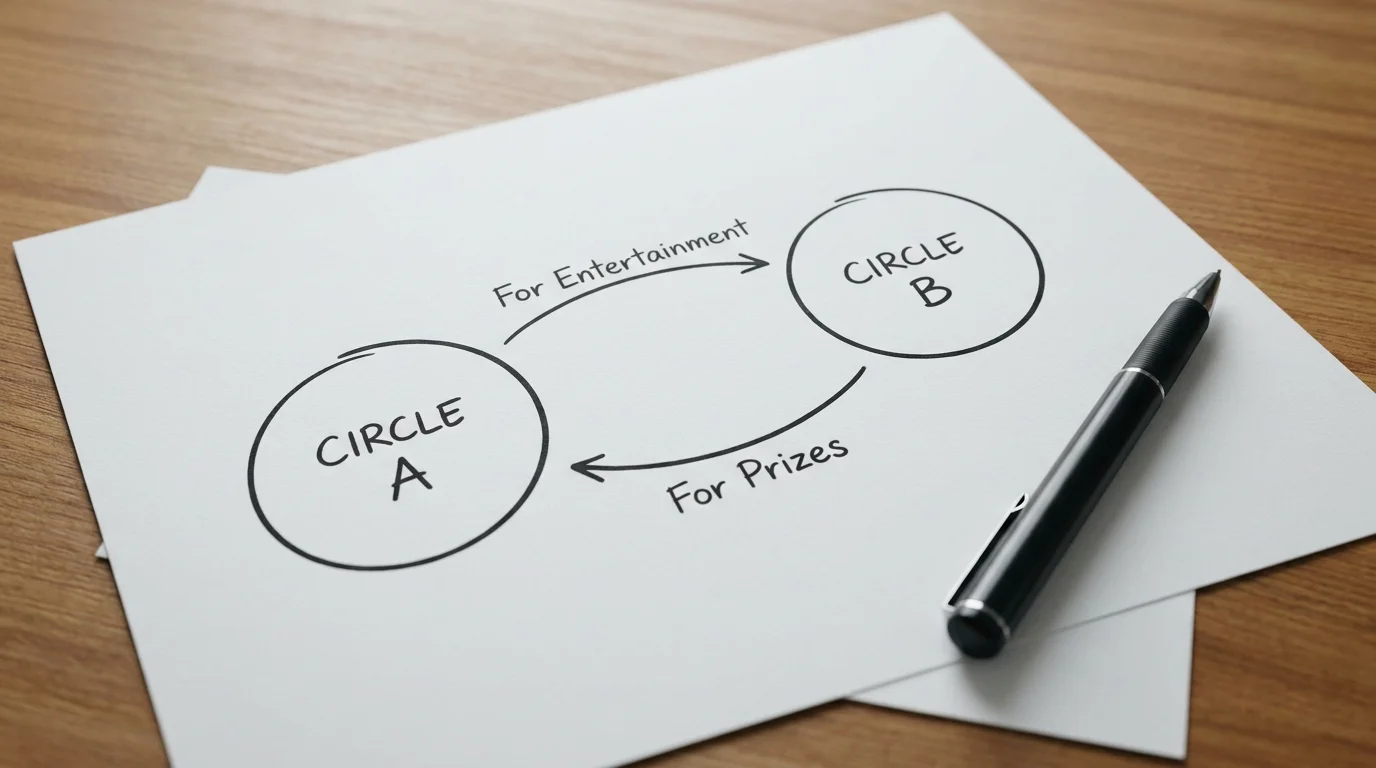
The Dual-Currency system (also called the “two-wallet model”) is the name for the architecture that uses both currencies simultaneously. GC for entertainment, SC for potential prize redemption. This separation is legally critical: it’s what allows Gold Coin purchases to be classified as entertainment purchases rather than gambling stake purchases. The dual-currency model is the structural foundation of the entire sweepstakes casino industry.

NPN, Three-Element Test, Illegal Lottery Test
NPN stands for “No Purchase Necessary” — the three-word disclosure required on every sweepstakes promotion that establishes the legal separation between sweepstakes and lotteries. NPN compliance means that a participant can enter and win without buying anything from the operator. The NPN requirement is enforced by the FTC at the federal level and by parallel statutes in all 50 states.
The Three-Element Test (also called the “Illegal Lottery Test”) is the legal framework that determines whether a promotion constitutes an illegal lottery. A promotion becomes an illegal lottery when it simultaneously requires three elements: consideration (a payment or purchase), chance (random selection), and prize (something of value). Sweepstakes casinos avoid the “consideration” element through AMOE — since no purchase is required to participate, the consideration requirement isn’t satisfied, and the three-element test isn’t met.
The distinction between a sweepstakes and a lottery under this test is not about the prizes or the games — it’s entirely about whether consideration is required. This is why the quality and genuine accessibility of AMOE is legally critical rather than just a compliance checkbox. A nominal AMOE that doesn’t actually work in practice is an argument that consideration is effectively required, which collapses the legal protection the sweepstakes structure provides.
Processing Window, Household Rule, Playthrough, Redemption
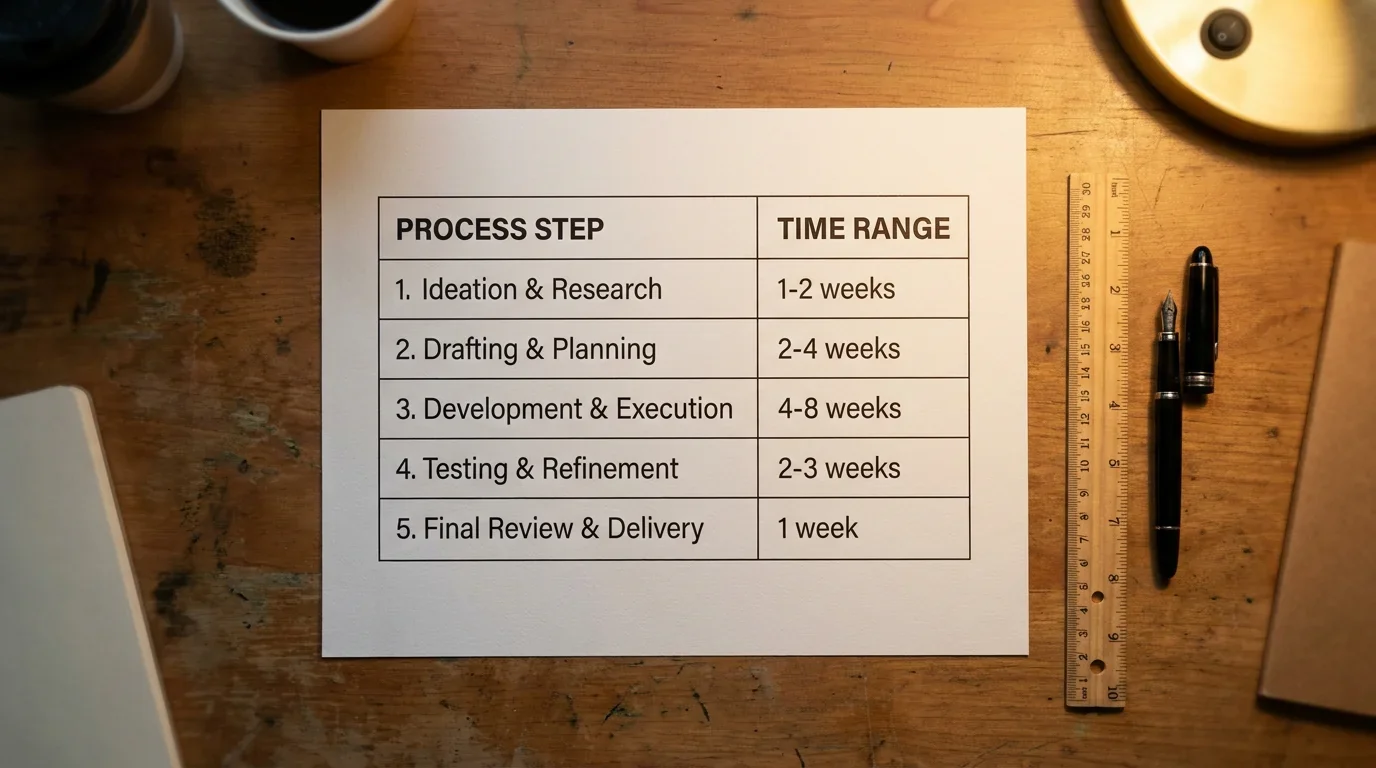
Processing Window is the time between when an operator receives an AMOE submission and when the SC are credited to the player’s account. The standard quoted range is seven to fourteen business days; documented delays can extend this to six to eight weeks during high-volume periods. Understanding the processing window matters for setting realistic expectations about when AMOE-earned SC will appear and for diagnosing whether a submission may have been rejected versus simply being in queue.
The Household Rule defines the maximum number of AMOE submissions permitted from a single physical address per day. The industry standard is one submission per household per day, though individual operator definitions of “household” vary — some apply the limit per account at the same address; others apply it per physical address regardless of the number of separate account holders. The practical implication is that multiple adults at the same address participating with the same operator may be subject to a combined daily limit.
Playthrough (also called “wagering requirement” or “play-through condition”) is the requirement at some operators that SC be used in gameplay before they become eligible for cash redemption. A 1x playthrough means your SC must be wagered once; higher multipliers require correspondingly more gameplay. Not all operators apply playthrough requirements to AMOE-earned SC, but many do, and the specific terms should be checked in the Sweepstakes Rules before accumulating a large SC balance with the expectation of immediate redemption.
Redemption is the process of converting SC into real-world prizes — typically cash deposited to a bank account, gift cards at face value, or cryptocurrency at the current exchange rate. Redemption is subject to minimum balance thresholds (commonly $25 to $100 in SC-equivalent value) and identity verification requirements. Completed redemptions are classified as sweepstakes prize income for tax purposes, subject to IRS reporting rules above the $600 annual threshold.

Regulatory Terms: Cease-and-Desist, Class Action, State Ban, iGaming
A Cease-and-Desist letter from an attorney general is a formal legal demand that an operator stop specific activities — in the sweepstakes context, typically the operation of a dual-currency platform in the AG’s state. These letters don’t constitute a final legal ruling, but they create significant compliance pressure and are often followed by formal enforcement actions or litigation if the operator doesn’t comply. In 2025, AGs in New York and Tennessee sent cease-and-desist letters to 26 and nearly 40 sweepstakes operators respectively.
Class Action lawsuits aggregate claims from multiple individual plaintiffs against a common defendant. In the sweepstakes casino context, class actions typically claim that operators misrepresented the nature of their product, failed to provide genuine AMOE access, or operated an unlicensed gambling service. More than 100 class-action suits were filed against sweepstakes operators by early 2026. Outcomes range from dismissal to settlement to liability judgment depending on the specific claims and evidence.
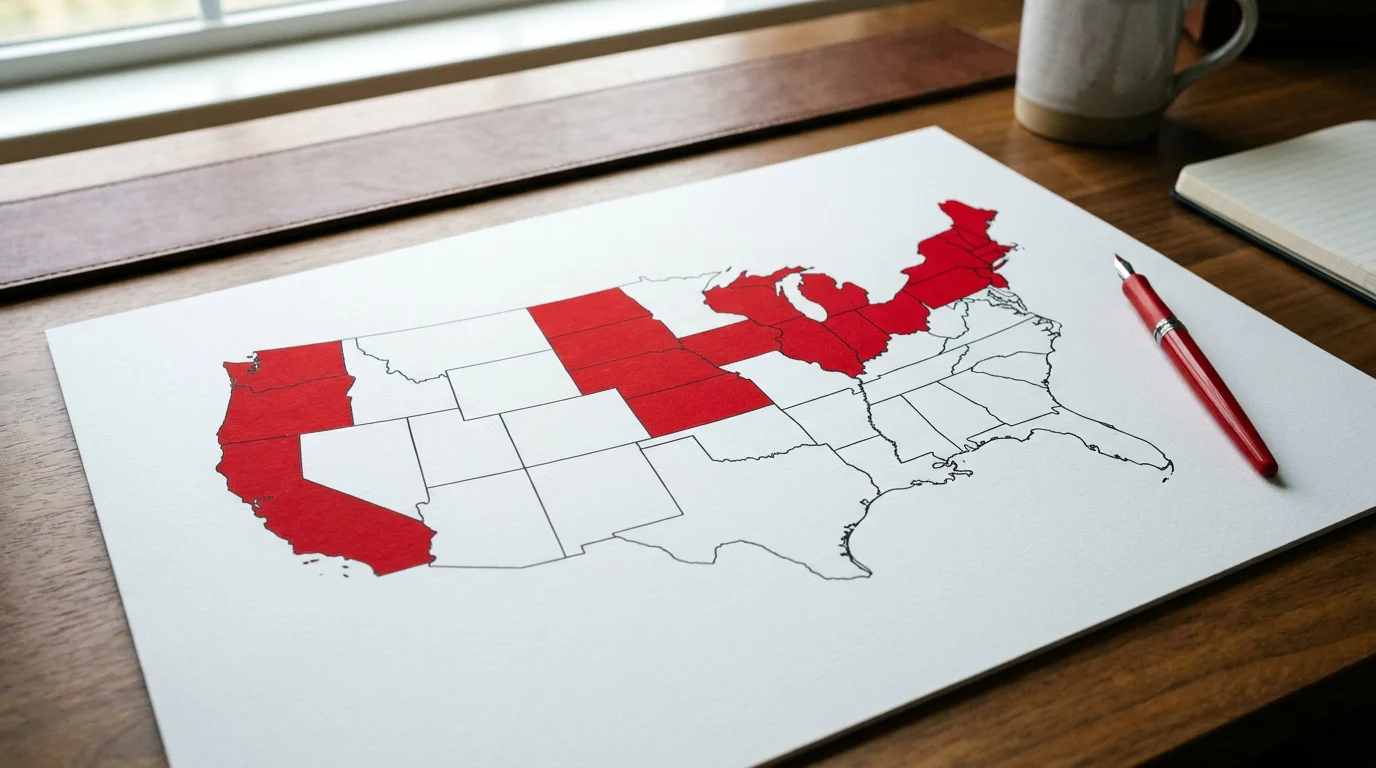
State Ban refers to legislation or enforcement action that effectively prohibits sweepstakes casino operations in a specific state. Six states — California, New York, Montana, Connecticut, New Jersey, and Nevada — moved against sweepstakes operations in 2025 through varying combinations of legislation and enforcement. A state ban typically affects all aspects of operator activity in the state, including AMOE processing from state addresses.
iGaming (also “online gambling”) refers to real-money gambling conducted over the internet under a state gaming license. Regulated iGaming is legal in a small number of U.S. states and operates under comprehensive consumer protection, licensing, and tax requirements that sweepstakes casinos are not subject to. The competitive tension between regulated iGaming operators and sweepstakes casinos has been a significant driver of the legislative pressure on the sweepstakes model in 2025 and 2026.

Sweepstakes Casino Terms: Common Questions
Is the term ‘sweepstakes casino’ legally defined anywhere in U.S. law?
No. ‘Sweepstakes casino’ is an industry colloquial term, not a legal classification. The legal categories that apply to these platforms are ‘sweepstakes promotion’ (how operators describe their product) and various state-specific gambling definitions (which some regulators use to argue that the product is actually gambling regardless of its self-description). The absence of a formal legal definition for ‘sweepstakes casino’ is part of what creates the regulatory ambiguity — there’s no existing legal framework specifically governing this category of product, which is why both the industry and its regulators have been making arguments under general sweepstakes law, gambling statutes, and consumer protection frameworks.
Are there official regulatory definitions for ‘Sweeps Coins’ or ‘Gold Coins’ in any U.S. jurisdiction?
Not in any jurisdiction as of mid-2026. These are proprietary marketing terms used by operators, not regulated financial or legal classifications. Different operators use different terminology — some use ‘promotional coins,’ ‘redeemable credits,’ or ‘sweepstakes entries’ in their official documentation rather than ‘Sweeps Coins.’ The lack of standardized regulatory definitions for the currency types is one of the gaps that a formal regulatory framework for sweepstakes gaming would likely address, by creating defined classifications for promotional currencies that can be redeemed for cash prizes versus those that cannot.

Written by the editors at Alternate Method of Entry Sweepstakes.