
AMOE Request Rejections US: Fixing Mail-In Errors
 Available in US
I’ve reviewed hundreds of operator terms documents over the years, and one thing strikes me every time: the rejection criteria for AMOE requests are remarkably consistent across operators, yet players keep stumbling over the same handful of mistakes. You spend time writing out the postcard, you pay for the stamp, you wait three weeks — and then nothing shows up in your account. When I dig into why, it’s almost never a mystery.
The standard processing window for a mail-in AMOE request runs between seven and fourteen business days under normal conditions, though backlogs can stretch that to six or eight weeks. If you’re past that window and your Sweeps Coins haven’t landed, something went wrong at the submission stage. This article covers exactly what that something usually is — and what you can do about it.
Common Postcard Rejection Reasons and Instant Fixes
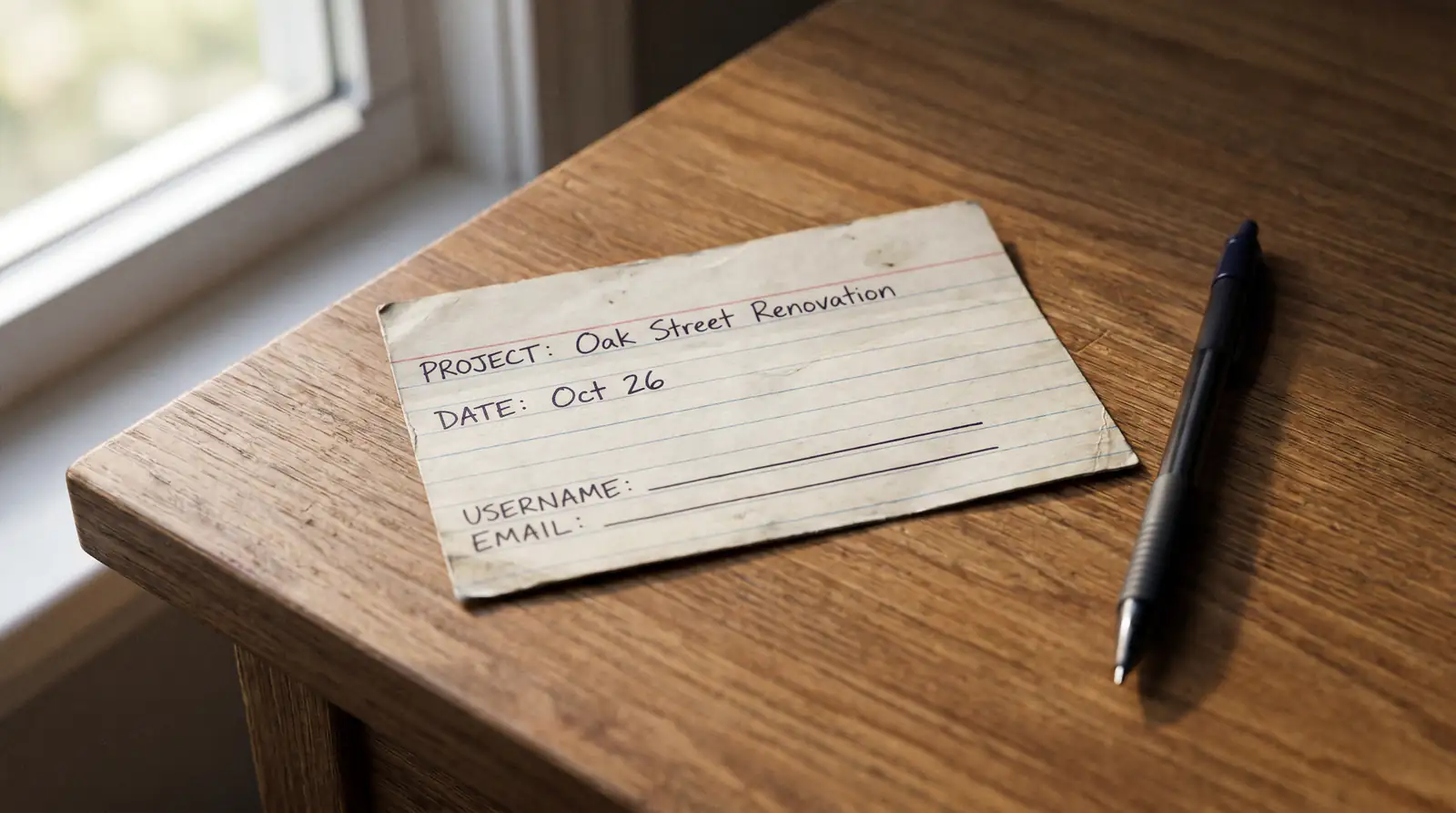
Ask any compliance analyst which rejection reason tops the list and you’ll get the same answer: missing or incorrect account information. It sounds basic, but operators process thousands of requests weekly, and their fulfillment teams aren’t going to hunt down your account from a partial username or a misspelled email address. If they can’t match your postcard to a verified account in their system, the request simply doesn’t get processed.
Here are the seven reasons I see most often, roughly in order of frequency:
Missing account identifier. Most operators require your username, registered email address, or both on every request. Leaving either blank is the single fastest way to get rejected. Some platforms also ask for the account registration date or your player ID number — if those fields appear in the official AMOE instructions, treat them as mandatory, not optional.
Wrong or outdated mailing address. Operators change their processing addresses more often than players expect. An address that worked six months ago may route to a closed PO box today. Before you mail anything, verify the address directly in the current terms and conditions on the operator’s website — not from a third-party guide you found via search.
Exceeding the household or frequency limit. The industry standard allows one AMOE request per household per day per operator. Sending two in the same envelope, or mailing separate requests on the same calendar day from the same address, will typically result in one being honored and one being discarded. On the question of how many requests are permitted per month, most operators cap this at one per day — which translates to roughly 30 per month maximum if you’re consistent, though real-world processing backlogs mean your account balance rarely reflects that pace in real time.
Illegible handwriting. Many operator terms explicitly require handwritten requests. More importantly, the fulfillment team needs to read what you wrote. If your handwriting is difficult to parse, print clearly in block letters. The goal is zero ambiguity on your username and contact information.
Wrong postcard or envelope format. Some operators specify postcard-only; others accept standard envelopes. Using the wrong format — such as a folded sheet of paper when a postcard is required — can trigger rejection on technical grounds. The mail-in AMOE guide covers format requirements in detail, but the short version is: always default to what the operator’s current terms say, not what you remember from a previous request.
No return address. This one surprises people, but some operators use the return address as part of their household verification process. Leaving it off can flag your entry as incomplete.
Requests from ineligible states. Players in states where the operator has ceased operations — following the wave of enforcement actions in 2025 — sometimes continue sending AMOE requests out of habit or without realizing the access restriction applies to mail-in entries too. If your state is on the restricted list, the request will not be fulfilled regardless of how perfectly it was filled out.
Postcard Format and Handwriting Errors

I want to spend more time on format errors because they’re underestimated. There’s a specific category of rejection that I call the “technically valid, functionally unreadable” problem. The player did everything right on paper — correct address, correct operator, correct frequency — but the actual physical submission couldn’t be processed because of how it was written or formatted.
Standard USPS postcard dimensions run from 3.5 by 5 inches at the minimum to 4.25 by 6 inches for a standard size. If you’re using a non-standard card that falls outside postal regulations, it may not arrive at all, which means the operator never receives it — technically not a rejection, but functionally the same outcome.
On handwriting: use a ballpoint pen with dark ink, not a pencil or a marker that bleeds through the card. Write your account information first, on its own line, with the most space allocated to your username. Your name, return address, and any other required fields should each have their own clearly labeled line. Cramming everything into a single block of text is a common mistake — even if the data is all there, a processing team working under volume pressure may miss a field.
Printed postcards occupy a gray area. Some operators explicitly permit them; others require handwritten entries as part of demonstrating genuine individual participation. If the terms don’t specify, handwritten is the safer choice.
Missing or Incorrect Account Information

This deserves its own section because the stakes are higher than most players realize. When an operator can’t match a submission to an account, the request isn’t held in a queue for follow-up — it’s discarded. There’s no second chance from the operator’s end.
Double-check the following before sealing any envelope: your username exactly as it appears in your account settings (case-sensitive at some operators), your registered email address, and any additional identifiers listed in the AMOE instructions. If the operator’s terms mention a player ID or account number, include it even if it feels redundant. That field exists because the operator’s fulfillment system uses it for matching.
One mistake I see repeatedly in complaints is players using the email address they use for communications rather than the email address linked to their account. These are sometimes different. Log in to your account and look at the “Account Settings” or “Profile” page to confirm which email is the primary identifier.
Duplicate Entry Violations and Household Limits

The household rule is where compliance gets genuinely complicated, and it’s an area where operators have wide latitude in how they define terms. Most sweepstakes casinos allow one AMOE request per day per household — not per person, per household. That distinction matters if multiple adults at the same physical address each have accounts at the same platform.
Some operators explicitly state that multiple individuals at one address may each submit one request per day. Others define “one per household” as applying to the physical address regardless of how many separate accounts exist there. Reading the current terms carefully before establishing a multi-account household strategy is not optional — it’s the only way to avoid having all submissions from that address flagged as duplicates.
Sending multiple requests in a single envelope is a related but distinct issue. Some players assume that mailing two cards together is fine as long as they’re from different household members. Unless the operator’s terms explicitly permit this, the safe assumption is that only one entry per physical mailing will be honored.
How to Resubmit After a Rejected Request
The resubmission process depends on why the request was rejected and whether you actually know it was rejected. The frustrating reality is that most operators do not notify players of rejected requests. Your first signal is usually that your Sweeps Coins balance hasn’t changed after the expected processing window — which, again, is seven to fourteen business days under normal conditions, though delays of up to six to eight weeks are documented.
If you suspect rejection, the first step is to contact the operator’s customer support team. Keep your inquiry factual: the date you mailed the request, the mailing address you used, and the account information you included. Some operators will honor a resubmission if the original rejection was due to a verifiable address change on their end. Most will not retroactively credit a submission that failed due to player error — but they may confirm what went wrong, which at least tells you what to fix.
For resubmissions, start fresh with a new postcard. Don’t try to “correct” a previous submission by adding a cover note — just submit a clean, complete new request using the current verified address. Allow the full processing window before following up again.
One last point worth emphasizing: any operator whose AMOE instructions are deliberately obscure, whose processing address is not publicly posted in their terms, or who generates consistently high rejection rates without clear explanations is exhibiting compliance behavior worth treating as a warning sign. The AMOE obligation exists precisely because the “no purchase necessary” requirement under sweepstakes law is not optional — any attempt by an operator to make the process artificially difficult undermines the legal foundation of their own platform.
Mail-In AMOE: Your Questions Answered

Will a rejected AMOE request count against my daily or monthly limit?
In most cases, yes. Operators typically count a submitted request against your daily allowance regardless of whether it is successfully processed. The limit applies to submissions, not to credited entries. This means that if your request is rejected due to an error, you generally cannot resubmit on the same day to the same operator. Submit a corrected request the following day and verify all account information before mailing.
Can I contact customer support to dispute a rejected AMOE request?
You can contact support, but the outcome depends on why the request failed. Operators will sometimes reverse a rejection if the failure was caused by their own processing error or an address change they did not communicate clearly. They are unlikely to credit a request that failed due to missing account information or a format violation on the player side. Document your submission date and the information you included before contacting support — the more specific your inquiry, the more useful the response.
Created by the ”Alternate Method of Entry Sweepstakes” editorial team.